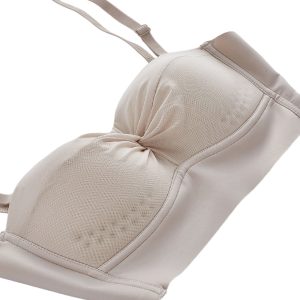
Bra sample development is the process of converting a design idea, Tech Pack or reference bra into a physical product that can eventually be reproduced in bulk. Because bras combine stretch materials with cups, elastics and complex fit relationships, sampling is one of the most important parts of the manufacturing process.
The purpose is not merely to create something that looks similar to the sketch. The sample needs to establish fit, construction, materials and measurable specifications that can later serve as a production standard.
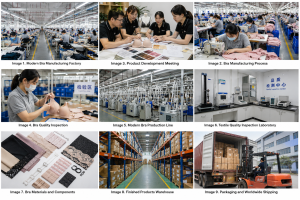
Define What the First Sample Needs to Prove
Before development begins, identify the key questions. Is the cup shape correct? Does the bra need more lift? Is the wing stable enough? Is the neckline right? Is the product intended to feel soft and flexible or structured and supportive?
These questions help the factory choose the right starting construction.
Reference Samples Can Reduce Guesswork
A physical reference bra can demonstrate cup depth, wire shape, padding, wing recovery and many other characteristics that cannot be fully understood from a photograph.
The reference does not need to match the final design visually. A buyer can use one product as a fit reference while completely changing the outer styling.
Prepare the Development Information
Useful inputs include technical drawings, target measurements, reference products, desired materials, size information, colors and specific modification instructions.
The clearer the hierarchy of priorities, the easier it is to evaluate the first sample objectively.
What the First Prototype Should Be Used For
The first prototype establishes whether the proposed structure is moving in the correct direction. It is often more useful to focus on fit and proportion before spending time perfecting small decorative details.
Development materials may be used temporarily if exact bulk materials are not yet available. Any substitution should be documented.
How to Evaluate Bra Fit
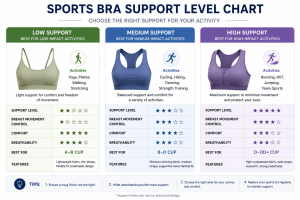
Fit assessment should cover the complete product rather than only cup size. Common checkpoints include:
- cup containment;
- upper-cup opening;
- center-front position;
- underwire location;
- underarm comfort;
- wing height;
- band tension;
- strap position;
- overall silhouette.
Measurements and Wear Testing Are Both Important
Flat measurements provide an objective specification, but they do not fully explain how the bra behaves on the body. Stretch, recovery and three-dimensional cup shape influence fit in ways that cannot be understood from numbers alone.
The strongest review process uses both measurements and fitting observations.
Write Actionable Sample Comments
“Too tight” does not tell the sample room what to change. “Band tension feels too strong at the back while the front cradle fits correctly” is more useful.
Similarly, “more push-up” should be translated into a specific goal: more upward lift, more inward positioning, more lower-cup volume or a different cup profile.
Maintain Revision Control
Each sample should have a version number. Keep a record of what changed from V1 to V2 and which details were approved.
Without version control, an adjustment to one area can accidentally reverse an earlier approved decision.
For related development mistakes, see How to Approve a Bra Sample Before Mass Production.
Avoid Too Many Simultaneous Structural Changes
If the cup, wire, fabric, elastic and neckline all change together, the next fitting may be different but it will be difficult to understand why. Controlled revisions allow the brand and factory to learn from each sample round.
Final Materials Need to Be Tested
A sample developed in a temporary fabric may fit differently once the final material is introduced. Stretch percentage, recovery, thickness and surface friction can all influence fit.
Related material information can be found in Why the First Bra Sample Is Rarely Perfect — And What Brands Should Check Instead.
When Should Size Grading Begin?
Grading should begin after the base construction is sufficiently stable. If major cup or band changes are still happening, grading too early can multiply unnecessary work.
The planned commercial size range should nevertheless be known from the beginning because larger sizes may require stronger components.
How Many Sample Rounds Are Normal?
There is no universal number. A simple variation of an existing product may need relatively little development. A new molded, padded, underwire or plus-size construction may require several rounds.
The useful measure is not the number of rounds but whether each round resolves specific questions.
What Is a Pre-Production Sample?
A pre-production sample is often made after final materials, trims and specifications are available. It confirms that the product being prepared for bulk manufacturing matches the approved development direction.
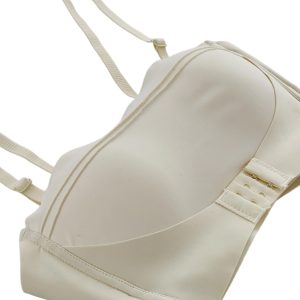
Sample Approval Creates the Production Standard
Final sample approval should mean that the important fit, materials, measurements, construction and workmanship are agreed. The approved sample and written specification then become references for production and inspection.
Approving a sample casually and continuing to change major requirements during bulk production creates unnecessary risk.
How Sampling Affects Cost and Timeline
More complex products require more technical development. Custom colors, special materials and new components can also extend the sample schedule.
Brands should allow enough development time rather than setting an aggressive bulk-delivery date first and then compressing sampling.
Additional manufacturing and sourcing information can be found in OEM Bra Manufacturer: From Reference Sample to Bulk Production, Sports Bra Development Process: From Concept to Mass Production and 7 Bra Development Mistakes That Make OEM Samples More Expensive.
Bra Sample Development at BrasFactory
BrasFactory supports sample development and bulk manufacturing from our factory in Puning, Guangdong. Buyers can provide a Tech Pack, physical reference bra, measurement specification or product concept for evaluation.
For molded, padded and push-up products, a physical sample is especially useful because cup shape and padding effect are difficult to communicate precisely through images alone.
See Bra Factory Audit Checklist: 15 Things Every Brand Should Verify Before Production for another related BrasFactory resource.
Frequently Asked Questions
Can I approve a bra sample only from photos?
Photos are useful for visual comments, but fit-critical products are better evaluated physically whenever possible.
Does the first sample need final fabric?
Not always. Development materials may be used initially, but final materials should be tested before production approval if their performance differs significantly.
What should I send with my sample comments?
Marked photographs, measurements, clear written instructions and a version number make revisions easier to understand and track.
How to Decide Which Changes Are Most Important
When reviewing a sample, it is useful to separate comments into three levels: critical fit or construction changes, important functional improvements and minor visual refinements.
Critical changes should be resolved first because they can influence other areas of the product. For example, changing cup volume may also affect neckline position, wire selection and strap placement. A small decorative adjustment can usually wait until the major structure is stable.
Why Sample Materials Should Be Clearly Identified
Early samples may use substitute materials when the final custom fabric or trim is not yet available. This is acceptable as long as both parties understand the difference.
The sample record should identify which materials are temporary and which have already been approved. Otherwise, a buyer may approve a fit that changes once the final fabric is introduced.
Use Measurements to Support Fitting Comments
Fitting observations become more actionable when they are supported by measurements. For example, if the wing feels too tall under the arm, record the current wing height and the desired reduction.
This helps the sample room understand the exact request and creates a measurable target for the next version.
Approval Should Cover More Than Fit
A final sample may fit correctly but still require confirmation of color, stitching, hardware, labels or packaging. Production approval should therefore include all elements that are important to the finished order.
If branding components are approved separately, the final production specification should clearly identify the approved version of each item.
Maintain a Physical Golden Sample When Possible
For important or repeat products, an approved physical sample can serve as a valuable production reference. It allows the factory to compare future production against the intended hand feel, construction and visual appearance.
The written specification and physical sample should support each other rather than replace one another.