
Choosing an OEM bra manufacturer is not simply a matter of finding a factory that can sew lingerie. A bra is a three-dimensional technical product in which cup shape, padding, underwire, cradle, stretch, elastic tension and grading must work together. A factory can reproduce the outside appearance of a reference style and still create a product that fits very differently.
For this reason, an effective OEM development process begins by defining what the finished bra should do, how it should fit and which characteristics of the reference product are important to preserve. This guide explains the process from the buyer’s first reference sample through production approval.
Start With the Product, Not the Quotation
Many sourcing conversations begin with a photograph and the question, “How much is this bra?” The problem is that a photograph does not reveal enough information for an accurate manufacturing specification. Two visually similar bras may use different cup foam, wire shapes, wing fabrics, elastics and internal construction.
Before comparing quotations, define the intended category, consumer, size range, cup construction, fabrics, trims and branding. For additional background on product-development mistakes, see OEM Bra Manufacturer: From Reference Sample to Bulk Production.
Why a Physical Reference Sample Is Valuable
A physical reference bra gives the manufacturer information that is difficult to communicate through drawings alone. The development team can examine cup depth, projection, padding distribution, underwire shape, neckline position, wing stretch and how the individual components interact.
The reference does not need to be copied exactly. A brand may want to keep the cup shape and fitting effect while changing the fabric, straps, back design, lace and branding.
A useful instruction might be: keep the cup profile and padding effect similar to the reference, but reduce the neckline coverage and replace the wing with a softer stretch fabric.
Cup Shape and Padding Must Be Specified Clearly
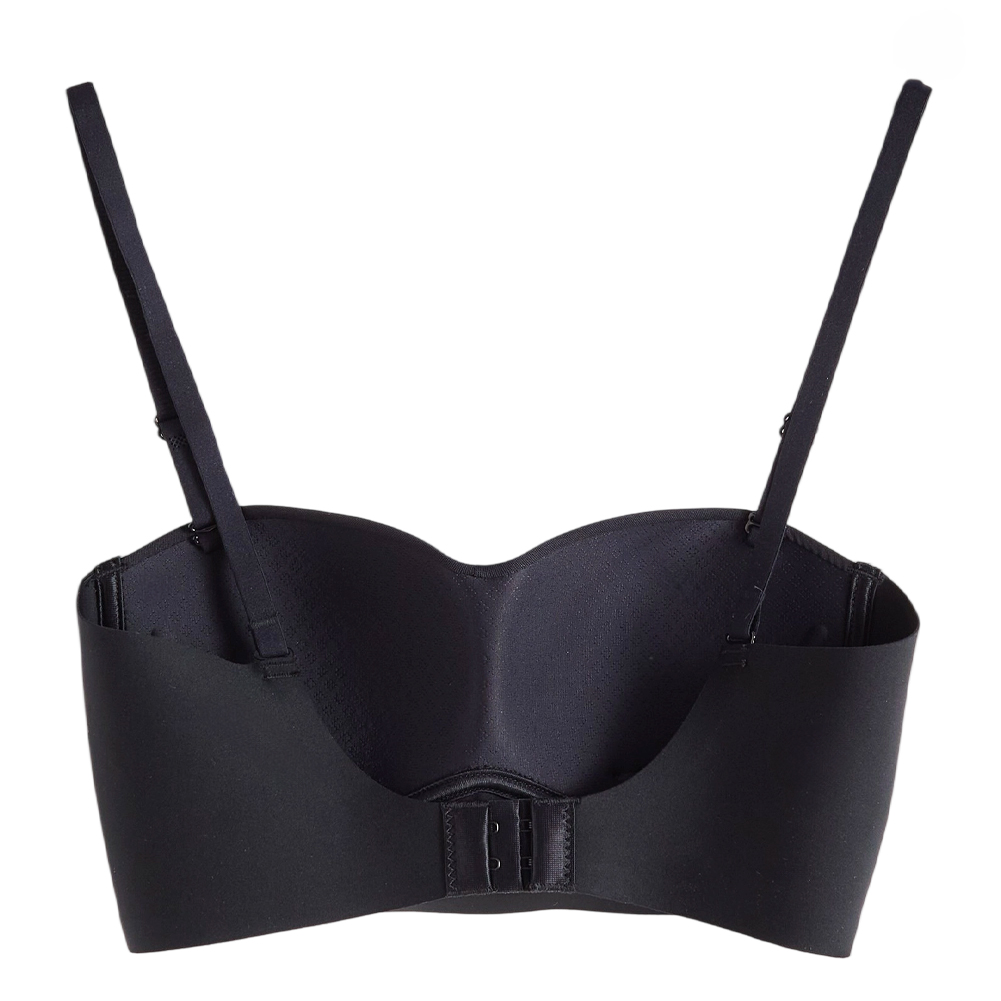
Cup development is one of the areas where vague terminology creates the most confusion. “Light padding,” “push-up” or “natural shape” can mean very different things to different buyers.
For molded and padded styles, the factory needs to understand the desired projection, cup height, foam thickness and padding location. Padding concentrated at the bottom creates a different effect from padding positioned toward the outer lower cup.
The objective is not simply to add more foam. The cup should create the intended silhouette while remaining stable and comfortable.
Underwire, Cup and Cradle Work as a System
Underwire selection cannot be separated from cup and cradle development. Wire width, length and curvature influence the shape of the cup and the position of the breast. A small change in wire can affect the center front, underarm comfort and overall fit.
Wireless bras have different engineering requirements, but the same principle applies: support depends on the relationship between cup shaping, lining, band construction and elastic tension.
Material Selection Changes Performance
Fabric is not chosen only by appearance. Stretch percentage, recovery, weight, thickness, stability and hand feel influence how the finished bra behaves.
The wing may require stronger recovery than a decorative upper-cup fabric. A soft lace may need a supporting lining. A different elastic can alter band tension even when the pattern remains unchanged.
For a related material discussion, review Bra Set Manufacturer: OEM & Private Label Production Guide.
The First Sample Is a Development Tool
The first prototype should be treated as a technical checkpoint rather than an expectation of perfection. Its purpose is to reveal where the initial specification needs refinement.
During the first review, evaluate proportions, cup fit, neckline, center front, underarm, wing height, strap placement and general wearing effect.
Write Specific Revision Comments
Good comments identify the exact problem. “Cup is wrong” is difficult to act on. “Upper cup is loose near the neckline while the lower cup volume is correct” gives the development team a much clearer direction.
Photographs with arrows, measurements and version numbers are especially useful. Every sample round should have a written revision record so that previously approved details are not accidentally changed.
Do Not Change Every Variable at Once
If cup shape, underwire, fabric, band tension and neckline are all changed at the same time, it becomes difficult to understand which modification caused the new fitting result. Controlled development generally produces clearer and faster results.
Prioritize structural fit changes first, then refine decorative details.
Confirm the Size Range Before Grading
A bra that works well in one base size still needs careful grading. Larger cup and band combinations may require stronger materials, wider straps, different hardware or other construction changes.
Size range should therefore be part of the development brief rather than an afterthought.
How OEM Bra Cost Is Determined
Final cost is calculated from the approved construction, materials and order structure. Important variables include fabric consumption, lace, foam cups, wires, elastic, hardware, sewing complexity, quantity, colors, labels and packaging.
Comparing factories only by unit price can be misleading when the underlying specifications are different. Related costing information can be found in How to Evaluate a Bra Manufacturer Before Starting OEM Production.
Pre-Production Approval
Before bulk production, the buyer and manufacturer should have an approved reference covering fit, measurements, materials, colors, workmanship, labels and packaging. This becomes the production standard.
Last-minute changes after materials have been ordered create risk, so important decisions should be finalized before the production order is released.
Bulk Production and Quality Control

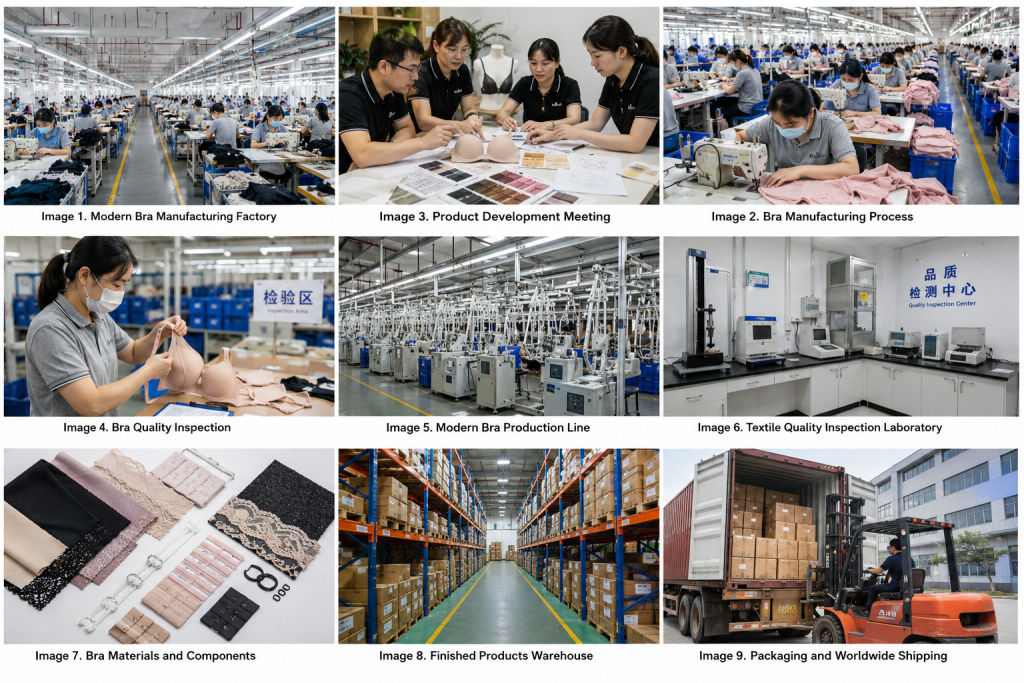
Quality should be controlled during production as well as before shipment. Typical checks include measurements, cup symmetry, stitching, elastic attachment, wire insertion, hook-and-eye placement, labels, cleanliness and packaging.
Quality expectations are easiest to enforce when they are tied to an approved sample and written specifications.
OEM Manufacturing Is Collaborative
The brand understands its target customer, positioning and design direction. The factory contributes manufacturing knowledge, material experience and production control. Strong projects use both sides effectively.
Additional perspectives on bra manufacturing and development can be found in Private Label Bra Manufacturer | Custom OEM Bra Production and Private Label Bra Manufacturer: Build Your Brand with OEM Lingerie Production.
Working With BrasFactory
BrasFactory works with overseas brands on OEM and private-label bra development from our factory in Puning, Guangdong, China. Customers can provide physical reference bras, Tech Packs, measurements, material requirements and branding information for evaluation.
For molded, padded and push-up products in particular, sending a physical reference sample can significantly improve the accuracy of cup and fit communication.
If you are preparing a new project, see Bra Factory China | OEM & Private Label Bra Manufacturer for another relevant BrasFactory resource or contact us through the website to discuss your requirements.
Frequently Asked Questions
Can an OEM bra manufacturer develop a product from photos?
Photos can communicate general styling, but they do not fully describe cup shape, padding, underwire or stretch behavior. A physical reference sample and technical instructions provide a more reliable starting point.
How many sample rounds are normally required?
There is no fixed number. Simple developments may need fewer rounds, while new molded or support-focused products may require several revisions before production approval.
Can materials be changed after the fitting sample?
Yes, but changing stretch, recovery or thickness can affect fit. Significant material changes may require another fitting review.
What Information Helps an OEM Factory Quote More Accurately?
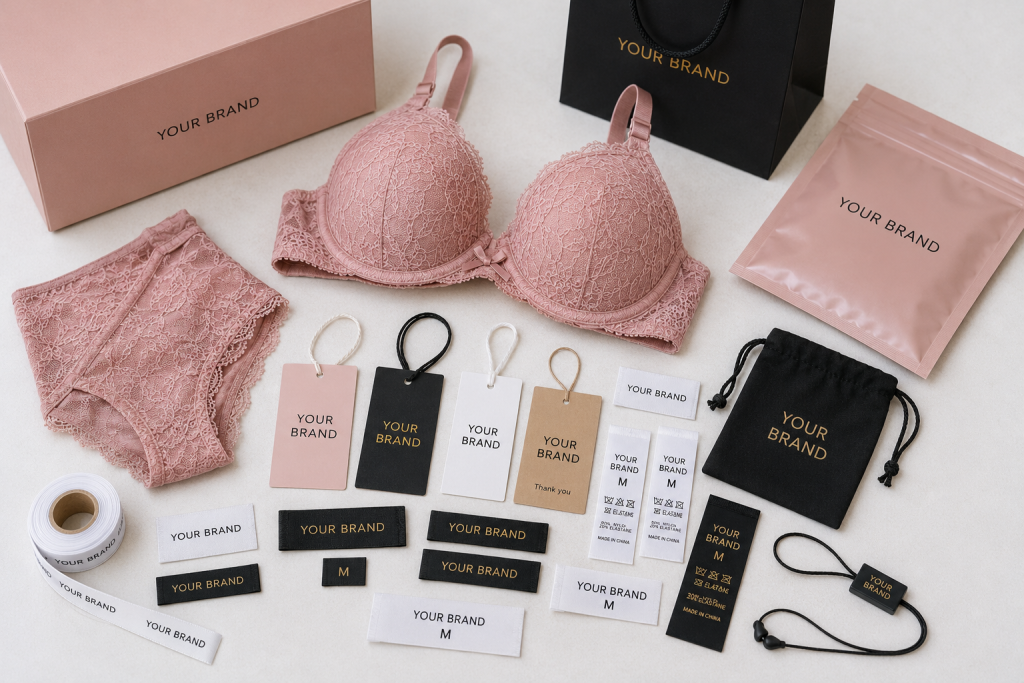
An OEM quotation becomes more reliable when the manufacturer understands the complete product rather than only the outside design. A buyer should ideally provide the target style, size range, cup construction, reference sample, fabric expectations, quantity, colors, labels, packaging and any special workmanship requirements.
For example, a molded push-up bra with graduated padding, custom-dyed lace, branded metal hardware and retail packaging will have a very different cost structure from a lightly lined everyday bra made with standard components. The more complete the specification, the less likely the quotation is to change later because important details were missing.
How Buyers Can Reduce Unnecessary Sample Rounds
One of the easiest ways to reduce sampling time is to separate major fit issues from secondary cosmetic adjustments. If the first prototype shows that cup volume and band tension are incorrect, those structural issues should be solved before spending time refining a decorative bow or minor trim position.
It also helps to provide consolidated feedback. When comments arrive separately from several team members, the factory may receive contradictory instructions. A single approved revision sheet gives the sample room a clearer direction.
Material Approval Should Happen Before Bulk Ordering
Bulk material approval is especially important when the bra depends on stretch and recovery. Two black fabrics may look identical on a screen while behaving very differently when stretched. The same applies to elastic, lace and power mesh.
For critical components, brands should confirm the actual material used in the final sample rather than assuming that any visually similar substitute will perform the same way.
Production Planning After Sample Approval
After the final sample is approved, the factory can prepare the bulk-production plan. This may include purchasing or reserving materials, confirming color quantities, arranging cutting, scheduling sewing capacity and preparing packaging components.
The buyer should avoid major specification changes at this point. A late change to cup foam, lace or packaging can affect material purchasing and production timing.
How to Judge Whether an OEM Manufacturer Is a Good Long-Term Partner
A good long-term supplier is not simply the factory that produces one acceptable order. Brands should also evaluate whether the manufacturer keeps records, communicates changes clearly, can repeat approved specifications and responds constructively when a technical problem occurs.
For repeat collections, this consistency is extremely valuable because the buyer does not want to redevelop the same basic fit and construction every season.