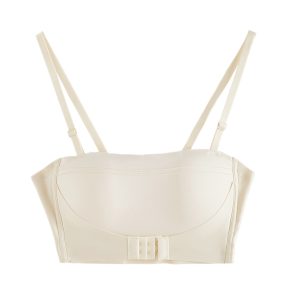
Sports Bra Development Process: From Concept to Mass Production
Sports bras are among the most technically demanding products in the lingerie industry. Unlike fashion bras, sports bras must balance comfort, support, durability, and performance across different activity levels.
Developing a successful sports bra requires careful planning, material selection, testing, and manufacturing expertise.
This guide explains the complete sports bra development process from initial concept to mass production.
Understanding Sports Bra Requirements
Before development begins, brands should define:
- Target customer
- Activity level
- Support requirements
- Price positioning
- Size range
Different sports bras serve different purposes.
For example:
Low Impact
Suitable for:
- Yoga
- Walking
- Stretching
Medium Impact
Suitable for:
- Fitness training
- Cycling
- Hiking
High Impact
Suitable for:
- Running
- HIIT training
- Competitive sports
The required support level influences every development decision.
Step 1: Product Concept Development
Development begins with defining product objectives.
Brands should determine:
- Style direction
- Functional requirements
- Competitive positioning
- Target retail price
A detailed product brief helps manufacturers understand project goals.
Step 2: Technical Design and Tech Pack Creation
Manufacturers require clear specifications before development can begin.
A complete tech pack should include:
- Technical drawings
- Measurements
- Fabric specifications
- Construction details
- Logo placement
- Packaging requirements
Related reading:
Step 3: Fabric Selection
Fabric selection is one of the most important stages of sports bra development.
Materials must provide:
- Stretch
- Recovery
- Moisture management
- Durability
- Comfort
Common materials include:
Nylon-Spandex Blends
Excellent stretch and recovery.
Polyester-Spandex Blends
Strong moisture management performance.
Power Mesh
Provides additional support and ventilation.
Related reading:
Step 4: Pattern Development
Pattern development transforms concepts into production-ready specifications.
Manufacturers create:
- Cup patterns
- Strap placement
- Support structures
- Compression panels
Pattern accuracy directly affects fit and support.
Step 5: Sample Development
Prototype samples allow brands to evaluate:
- Appearance
- Construction
- Comfort
- Support
Most sports bra projects require multiple sample revisions.
Related reading:
Step 6: Fit Testing
Fit testing is especially important for sports bras.
Evaluation areas include:
Support Performance
The bra should minimize excessive movement.
Comfort
Pressure points should be eliminated.
Strap Stability
Straps should remain secure during activity.
Band Performance
The band must provide stable support.
Related reading:
Step 7: Wear Testing
Wear testing helps evaluate real-world performance.
Participants may test products during:
- Running
- Gym workouts
- Yoga sessions
- Team sports
Feedback often identifies improvements before production begins.
Step 8: Pre-Production Sample Approval
After revisions are completed, manufacturers create a final pre-production sample.
Brands should verify:
- Measurements
- Materials
- Branding
- Packaging
- Construction quality
Related reading:
Step 9: Mass Production
Production typically includes:
Material Inspection
Raw materials are inspected before use.
Cutting
Fabric panels are prepared according to approved patterns.
Sewing and Assembly
Products are assembled using approved specifications.
Quality Inspection
Quality checks occur throughout production.
Step 10: Final Quality Control
Final inspections should evaluate:
- Measurements
- Stitch quality
- Elastic performance
- Appearance
- Packaging
Strong quality control reduces customer complaints and returns.
Related reading:
- How to Reduce Defects in Lingerie Manufacturing
Common Sports Bra Development Challenges
Manufacturers frequently encounter:
Insufficient Support
Often caused by weak material selection.
Poor Fit
Pattern development issues may affect comfort.
Elastic Fatigue
Low-quality elastic materials may lose recovery.
Inconsistent Sizing
Improper grading can affect product consistency.
Choosing a Sports Bra Manufacturer
When evaluating suppliers, consider:
Product Experience
Sports bra construction requires specialized expertise.
Development Capability
Strong sampling and testing processes are essential.
Production Capacity
Manufacturers should support future growth.
Quality Systems
Reliable quality control improves consistency.
Related reading:
Conclusion
Sports bra development combines design, engineering, materials science, and manufacturing expertise.
Brands that invest in proper development processes, testing, and quality control are more likely to create products that meet customer expectations and perform successfully in competitive markets.
Working with an experienced sports bra manufacturer can significantly improve development efficiency and product quality.