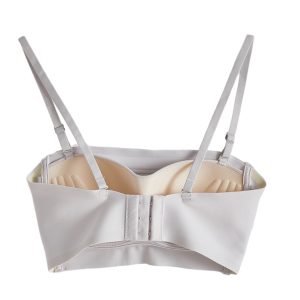
Sports Bra Manufacturing Guide: From Design to Production
Sports bras have become one of the fastest-growing categories in the global lingerie and activewear market. As consumer demand for comfort, support, and performance increases, brands are investing heavily in sports bra development.
Understanding the sports bra manufacturing process helps brands improve product quality, reduce development costs, and launch products more efficiently.
What Is Sports Bra Manufacturing?
Sports bra manufacturing refers to the process of designing, developing, sampling, and producing sports bras for retail brands.
Unlike traditional bras, sports bras require specialized materials and construction techniques to provide support during physical activities.
Manufacturers must balance:
- Comfort
- Support
- Breathability
- Durability
- Style
to create products that meet market expectations.
Step 1: Product Design and Development
Every sports bra begins with a design concept.
Brands typically define:
- Target customers
- Activity level
- Support requirements
- Style preferences
Sports bras designed for yoga may require different construction compared to products intended for running or high-impact training.
Step 2: Fabric Selection
Fabric choice plays a critical role in sports bra performance.
Common materials include:
- Nylon
- Polyester
- Spandex
- Performance mesh
- Moisture-wicking fabrics
Manufacturers evaluate fabric stretch, recovery, breathability, and durability before production begins.
Selecting the right materials directly affects comfort and long-term performance.
Step 3: Pattern Development
Pattern makers create technical patterns based on the approved design.
Important considerations include:
- Compression levels
- Cup shaping
- Strap positioning
- Band construction
Accurate pattern development helps achieve consistent sizing and fit.
Step 4: Sample Production
Manufacturers create prototype samples before bulk production.
Sample development allows brands to evaluate:
- Fit
- Comfort
- Support
- Appearance
Several rounds of revisions may be required before final approval.
Step 5: Fit Testing
Sports bras must perform under movement and stress.
Fit testing evaluates:
- Bounce control
- Strap stability
- Band support
- Overall comfort
Testing helps identify improvements before production begins.
Step 6: Quality Control
Quality control is essential throughout sports bra manufacturing.
Inspection areas include:
- Fabric quality
- Stitching consistency
- Elastic performance
- Hardware durability
Strong quality control systems help reduce defects and improve customer satisfaction.
Step 7: Mass Production
After sample approval, manufacturers begin bulk production.
Production typically includes:
- Fabric cutting
- Sewing
- Assembly
- Inspection
- Packaging
Manufacturers follow approved specifications to maintain consistency across all units.
Step 8: Packaging and Shipping
The final stage involves packaging and logistics.
Brands may require:
- Private label packaging
- Hang tags
- Care labels
- Retail-ready packaging
Proper packaging protects products during transportation and enhances brand presentation.
Common Challenges in Sports Bra Manufacturing
Many brands face challenges during product development.
Incorrect Fabric Selection
Low-quality materials can reduce product performance.
Poor Fit Development
Insufficient testing often leads to customer complaints.
Inconsistent Production Quality
Lack of quality control may increase defect rates.
Delayed Sampling
Multiple sample revisions can extend product launch timelines.
Choosing the Right Sports Bra Manufacturer
When selecting a manufacturing partner, brands should evaluate:
- Production experience
- Sample capabilities
- Quality control systems
- MOQ requirements
- Communication efficiency
Experienced sports bra manufacturers can provide valuable technical guidance throughout development.
Conclusion
Sports bra manufacturing involves much more than sewing garments. Successful products require careful design, material selection, pattern development, fit testing, and quality control.
Brands that work closely with experienced manufacturers can develop high-quality sports bras that meet consumer expectations and compete effectively in the growing activewear market.