
Lingerie MOQ is one of the first topics startup brands discuss when contacting manufacturers. Understanding minimum order quantity requirements helps brands control inventory, manage costs, and choose the right production partner.
What Is MOQ in Lingerie Manufacturing?
For many startup lingerie brands, one of the first questions when contacting manufacturers is:
What is the MOQ?
MOQ stands for Minimum Order Quantity, which refers to the smallest quantity a manufacturer is willing to produce for a specific style, color, or order.
Understanding lingerie MOQ requirements helps brands plan inventory, control costs, and choose the right manufacturing partner.
What Does MOQ Mean?
MOQ is the minimum number of units required to start production.
Manufacturers establish MOQ requirements because every order involves:
- Material sourcing
- Pattern preparation
- Machine setup
- Production scheduling
- Quality inspections
Producing very small quantities often increases costs and reduces factory efficiency.
Why Do Lingerie Manufacturers Have MOQ Requirements?
MOQ requirements help manufacturers maintain efficient operations.
Key reasons include:
Material Purchasing
Fabric suppliers often require minimum purchase quantities.
Production Efficiency
Small orders consume nearly the same setup time as large orders.
Cost Control
Larger production runs reduce unit costs.
Quality Consistency
Factories can maintain better production standards during larger manufacturing batches.
Typical Lingerie MOQ Requirements
MOQ varies depending on the manufacturer and product category.
General examples:
| Product Type | Typical MOQ |
|---|---|
| Basic Bras | 300–500 pcs |
| Lace Bras | 500–1000 pcs |
| Sports Bras | 300–1000 pcs |
| Private Label Collections | 500–2000 pcs |
Actual requirements depend on materials, complexity, and customization levels.
MOQ by Color and Size
Many brands are surprised to learn that MOQ may apply to:
Colors
A factory may require:
- 300 pieces per color
rather than:
- 300 pieces total
Sizes
Manufacturers typically allow size distribution within the total order quantity.
However, extremely small size quantities may create production challenges.
Low MOQ Solutions for Startup Brands
New brands often have limited budgets and inventory capacity.
To reduce MOQ requirements, brands may consider:
Existing Materials
Using stock fabrics can reduce sourcing requirements.
Fewer Color Options
Limiting color variations simplifies production.
Standard Components
Using existing elastics, hooks, and accessories helps reduce minimum quantities.
Long-Term Partnerships
Manufacturers are often more flexible with returning customers.
How MOQ Affects Production Costs
MOQ has a direct impact on pricing.
For example:
| Quantity | Unit Cost |
|---|---|
| 300 pcs | Higher |
| 500 pcs | Lower |
| 1000 pcs | More Competitive |
| 3000+ pcs | Most Efficient |
Higher volumes typically result in lower unit costs because production expenses are distributed across more units.
Questions to Ask About MOQ
Before placing an order, brands should ask manufacturers:
- What is the MOQ per style?
- What is the MOQ per color?
- Can materials be mixed?
- Are low MOQ options available?
- Are sample orders available?
Clear communication helps avoid misunderstandings later.
Common MOQ Mistakes
Focusing Only on MOQ
A lower MOQ does not always mean a better supplier.
Ignoring Production Costs
Very small orders often have higher unit pricing.
Ordering Too Many Styles
Managing multiple styles can complicate production planning.
Underestimating Inventory Needs
Brands should balance inventory risk with future growth plans.
Working with the Right Manufacturer
Experienced OEM and private label lingerie manufacturers often provide flexible MOQ solutions based on:
- Product category
- Material availability
- Production schedules
- Long-term cooperation opportunities
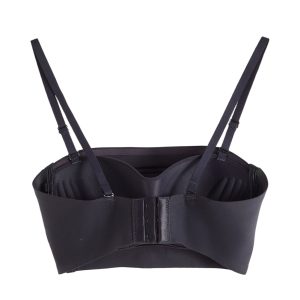
low MOQ lingerie manufacturer
Finding the right balance between MOQ and production efficiency is critical for startup success.
How to Negotiate MOQ with a Lingerie Manufacturer
Many startup brands assume MOQ requirements are fixed, but experienced manufacturers may offer flexibility under certain conditions. Using stock fabrics, reducing color options, or combining multiple styles into one order can sometimes help lower minimum order quantities.
Brands should discuss MOQ requirements early in the sourcing process and evaluate the balance between inventory risk, production cost, and future growth plans.
Conclusion
Lingerie MOQ is one of the most important factors in product development and manufacturing planning.
By understanding how minimum order quantities work, brands can make better sourcing decisions, manage inventory more effectively, and build stronger manufacturing partnerships.
Choosing a manufacturer that offers suitable MOQ solutions can help new lingerie brands launch products successfully while controlling risk and investment.