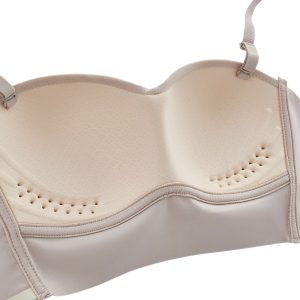
How to Test Bra Fit Before Mass Production
Bra fit testing is a critical step in lingerie product development. Before moving into bulk production, brands must verify that the bra fits correctly across intended size ranges and delivers the expected comfort, support, and appearance.
Skipping bra fit testing can result in customer complaints, expensive returns, and costly production corrections. For lingerie brands working with OEM or private label manufacturers, proper fit evaluation helps ensure a successful product launch.
Why Bra Fit Testing Matters
Even when a bra is developed using accurate patterns and technical specifications, real-world wear testing often reveals issues that cannot be identified on paper.
Common problems discovered during bra fit testing include:
- Cup gaping
- Cup overflow
- Band riding up
- Strap slipping
- Underwire discomfort
- Poor support
- Incorrect grading between sizes
Identifying these issues before mass production saves both time and money.
When Should Bra Fit Testing Be Performed?
Bra fit testing should take place after the first development sample is completed and before production approval.
Most manufacturers recommend testing:
- Prototype sample
- Pre-production sample
- Size set samples
Each stage provides valuable information that helps improve final product performance.
Key Areas Evaluated During Bra Fit Testing
Cup Fit
Cup fit is one of the most important elements of bra performance.
During testing, evaluators should check:
- Cup coverage
- Cup depth
- Cup shape
- Wrinkling
- Overflow
The cup should fully support the breast without creating pressure points.
Band Fit
The band provides most of the bra’s support.
Inspect:
- Band tension
- Stretch recovery
- Stability during movement
- Position across the back
A properly fitted band should remain level and comfortable.
Strap Performance
Bra straps help stabilize the garment but should not carry excessive support load.
During bra fit testing, check:
- Strap placement
- Adjustability
- Comfort
- Slippage during wear
Poor strap positioning often leads to customer dissatisfaction.
Underwire Position
For underwire bras, wire placement directly affects comfort.
Inspect:
- Wire length
- Wire shape
- Wire channel quality
- Pressure points
The underwire should follow the breast root without digging into the body.
Testing Multiple Sizes
Many fit issues appear only after grading into larger or smaller sizes.
Brands should evaluate:
- Base size
- One smaller size
- One larger size
For larger collections, a complete size set review is recommended.
This helps identify grading problems before production begins.
Wear Testing Procedures
Professional bra fit testing often includes real-world wear trials.
Participants may wear samples during:
- Daily activities
- Walking
- Light exercise
- Extended wear periods
Feedback should focus on:
- Comfort
- Support
- Appearance
- Ease of adjustment
Wear testing provides valuable user experience data.
Recording Fit Test Results
A structured fit evaluation form helps manufacturers make improvements efficiently.
Typical records include:
- Fit comments
- Measurement adjustments
- Pattern revisions
- Construction recommendations
- Sample photos
Detailed documentation reduces communication errors during development.
Working with Experienced Manufacturers
Experienced lingerie manufacturers often provide fit development support as part of OEM services.
They may assist with:
- Pattern correction
- Size grading
- Technical recommendations
- Sample revisions
- Production preparation
This collaboration improves the likelihood of successful bulk production.
Common Bra Fit Testing Mistakes
Brands should avoid:
- Testing only one size
- Using unrealistic fit models
- Ignoring wearer feedback
- Skipping wear trials
- Approving samples too quickly
A thorough testing process helps reduce future quality issues.
Conclusion
Bra fit testing is an essential part of lingerie product development. By evaluating cup fit, band performance, strap positioning, and size grading before production, brands can improve customer satisfaction and reduce costly manufacturing mistakes.
Investing time in bra fit testing creates better products and stronger long-term business results.