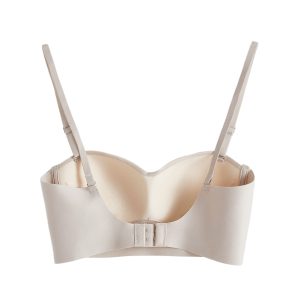
How to Reduce Defects in Lingerie Manufacturing: A Quality Control Guide
Lingerie quality control is one of the most important factors affecting customer satisfaction, brand reputation, and production efficiency. Even a small defect can lead to product returns, negative reviews, and increased costs.
For lingerie brands working with OEM or private label manufacturers, implementing a strong quality control process helps ensure every product meets expected standards before reaching customers.
Why Lingerie Quality Control Matters
Lingerie products require higher precision than many other apparel categories. Small variations in fabric tension, stitching, cup shape, or sizing can significantly affect fit and comfort.
Effective lingerie quality control helps brands:
- Reduce customer complaints
- Improve product consistency
- Lower return rates
- Increase production efficiency
- Protect brand reputation
Many successful lingerie brands invest heavily in quality management throughout the manufacturing process.
Common Defects Found in Lingerie Manufacturing
Uneven Stitching
Poor stitching quality may result in:
- Open seams
- Broken threads
- Distorted shapes
- Reduced durability
Factories should inspect stitch density and seam strength during production.
Incorrect Sizing
Sizing inconsistency remains one of the most common reasons for customer returns.
Quality control teams should verify:
- Cup dimensions
- Band measurements
- Strap lengths
- Grading accuracy
Regular size inspections help maintain consistency between production batches.
Fabric Defects
Fabric-related issues may include:
- Holes
- Stains
- Color inconsistency
- Fabric distortion
Raw material inspection should occur before production begins.
Hardware Problems
Bra accessories such as hooks, sliders, underwires, and rings must meet durability standards.
Defective hardware can cause:
- Breakage
- Discomfort
- Reduced product lifespan
Hardware testing should be included in every quality control program.
Quality Control During Material Inspection
Quality control begins before cutting and sewing.
Factories should inspect:
- Fabric quality
- Lace consistency
- Elastic performance
- Dye lot matching
- Accessory quality
Detecting issues at the material stage reduces production waste.
Quality Control During Production
Inline inspections allow factories to identify problems before large quantities are completed.
Key inspection points include:
Cutting Inspection
Verify:
- Pattern accuracy
- Fabric alignment
- Marker efficiency
Sewing Inspection
Check:
- Seam quality
- Thread tension
- Symmetry
- Construction accuracy
Assembly Inspection
Inspect:
- Cup balance
- Strap attachment
- Hardware installation
Regular inspections reduce defect rates significantly.
Final Quality Inspection
Before shipment, factories should conduct final product inspections.
Typical inspection criteria include:
Visual Inspection
Check for:
- Stains
- Loose threads
- Fabric damage
- Color differences
Measurement Inspection
Verify all measurements against approved specifications.
Function Testing
Test:
- Hook performance
- Strap adjustment
- Underwire positioning
- Elastic recovery
Products should only be shipped after passing all inspection requirements.
Working with an Experienced Lingerie Manufacturer
Experienced manufacturers usually have established quality control systems that cover every production stage.
When evaluating manufacturing partners, brands should ask about:
- Inspection procedures
- Defect rates
- Quality certifications
- Testing capabilities
- Production records
A strong quality management system helps ensure long-term production stability.
Conclusion
Lingerie quality control plays a critical role in product performance, customer satisfaction, and brand growth. By implementing inspections throughout the manufacturing process, brands can reduce defects, improve consistency, and achieve better business results.
Investing in quality control today helps create stronger products and a more competitive lingerie brand in the future.
Related Resources
• How to Choose Fabrics for Lingerie Manufacturing
• How Lace Selection Impacts Lingerie Quality and Production Costs
• How to Test Bra Fit Before Mass Production