
How to Choose Fabrics for Lingerie Manufacturing

How to Choose Fabrics for Lingerie Manufacturing

Selecting the right materials is one of the most important decisions in lingerie product development. Proper lingerie fabric selection affects comfort, durability, fit, appearance, and overall product quality.

Whether you are developing a private label collection or launching a new lingerie brand, understanding different fabric options can help you create products that meet customer expectations and manufacturing requirements.

This guide explains how to choose fabrics for lingerie manufacturing and the factors brands should consider during product development.


Why Fabric Selection Matters

The materials used in lingerie directly impact:

  • Comfort
  • Stretch and recovery
  • Support
  • Breathability
  • Durability
  • Appearance

Poor fabric choices can lead to customer complaints, fit problems, and reduced product lifespan.

Careful lingerie fabric selection helps ensure consistent product quality and customer satisfaction.


Common Fabrics Used in Lingerie Manufacturing

Modern lingerie products often combine multiple materials to achieve the desired balance of support and comfort.

Lace

Lace remains one of the most popular materials in lingerie manufacturing.

Benefits include:

  • Elegant appearance
  • Lightweight feel
  • Wide design variety

Lace is commonly used in:

  • Fashion bras
  • Bralettes
  • Lingerie sets
  • Decorative panels

However, lace alone typically provides limited support and is often combined with other fabrics.


Mesh

Mesh fabrics are frequently used for:

  • Side panels
  • Back wings
  • Sports bras
  • Fashion lingerie

Advantages include:

  • Breathability
  • Lightweight construction
  • Modern aesthetic appeal

Power mesh is often used where additional support is required.


Microfiber

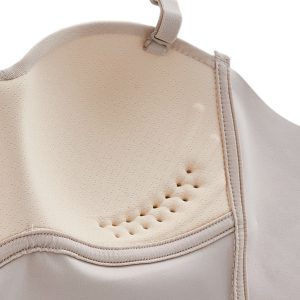
Microfiber fabrics are widely used in seamless and everyday bras.

Benefits include:

  • Soft texture
  • Smooth appearance
  • Moisture management
  • Durability

Many manufacturers recommend microfiber for comfort-focused lingerie collections.


Cotton Blends

Cotton remains popular for:

  • Everyday bras
  • Nursing bras
  • Comfortable intimate apparel

Advantages include:

  • Breathability
  • Skin-friendly feel
  • Moisture absorption

Cotton is often blended with elastane to improve stretch performance.


Understanding Stretch and Recovery

One of the most important aspects of lingerie fabric selection is stretch recovery.

Stretch recovery refers to a fabric’s ability to return to its original shape after being stretched.

Poor recovery may cause:

  • Loose bands
  • Reduced support
  • Premature product wear

Manufacturers typically test fabrics to ensure they meet performance standards.


Choosing Fabrics for Different Bra Types

Different bra categories require different material combinations.

Everyday Bras

Recommended materials:

  • Microfiber
  • Cotton blends
  • Moderate stretch elastics

Focus on comfort and durability.


Sports Bras

Recommended materials:

  • Performance fabrics
  • Moisture-wicking textiles
  • Power mesh

Focus on support and moisture control.


Lace Fashion Bras

Recommended materials:

  • Lace
  • Mesh
  • Lightweight linings

Focus on aesthetics and comfort.


Seamless Bras

Recommended materials:

  • High-stretch microfiber
  • Technical knitting materials

Focus on smooth appearance and flexibility.


The Role of Elastic Components

Elastic materials play a major role in bra performance.

Key elastic components include:

  • Shoulder straps
  • Underband elastics
  • Neckline elastics
  • Wing elastics

High-quality elastics improve support and extend product lifespan.

Factors That Influence Lingerie Fabric Selection


Fabric Durability Considerations

When evaluating fabrics, brands should consider:

Wash Performance

Materials should maintain shape and appearance after repeated washing.

Color Fastness

Fabrics should resist fading during normal use.

Pilling Resistance

High-quality fabrics should resist surface wear and pilling.

Stretch Retention

Elasticity should remain stable throughout the product lifecycle.


Sustainability and Eco-Friendly Fabrics

Many lingerie brands are increasingly interested in sustainable materials.

Popular options include:

  • Recycled nylon
  • Recycled polyester
  • Organic cotton
  • Eco-certified fabrics

Sustainable materials can support environmental goals while appealing to environmentally conscious consumers.


Working with Manufacturers on Fabric Selection

Experienced manufacturers often provide valuable material recommendations.

Manufacturing partners can assist with:

  • Fabric sourcing
  • Performance testing
  • Cost optimization
  • Material alternatives

Working closely with manufacturers helps brands balance quality, performance, and production costs.


Common Fabric Selection Mistakes

Some common mistakes include:

  • Choosing fabrics based only on appearance
  • Ignoring stretch recovery
  • Overlooking durability testing
  • Selecting incompatible materials
  • Focusing solely on cost

Successful lingerie products require both visual appeal and functional performance.


Conclusion

Effective lingerie fabric selection is essential for creating comfortable, durable, and attractive products.

By understanding the characteristics of lace, mesh, microfiber, cotton, and performance fabrics, brands can make informed sourcing decisions and improve product quality.

Working with experienced lingerie manufacturers during material selection helps reduce development risks and supports long-term product success.
How to Choose Fabrics for Lingerie Manufacturing Selecting the right materials is one of the most important decisions in lingerie product development. Proper lingerie fabric selection affects comfort, durability, fit, appearance, and overall product quality. Whether you are developing a private label collection or launching a new lingerie brand, understanding different fabric options can help you create products that meet customer expectations and manufacturing requirements. This guide explains how to choose fabrics for lingerie manufacturing and the factors brands should consider during product development. Why Fabric Selection Matters The materials used in lingerie directly impact: Comfort Stretch and recovery Support Breathability Durability Appearance Poor fabric choices can lead to customer complaints, fit problems, and reduced product lifespan. Careful lingerie fabric selection helps ensure consistent product quality and customer satisfaction. Common Fabrics Used in Lingerie Manufacturing Modern lingerie products often combine multiple materials to achieve the desired balance of support and comfort. Lace Lace remains one of the most popular materials in lingerie manufacturing. Benefits include: Elegant appearance Lightweight feel Wide design variety Lace is commonly used in: Fashion bras Bralettes Lingerie sets Decorative panels However, lace alone typically provides limited support and is often combined with other fabrics. Mesh Mesh fabrics are frequently used for: Side panels Back wings Sports bras Fashion lingerie Advantages include: Breathability Lightweight construction Modern aesthetic appeal Power mesh is often used where additional support is required. Microfiber Microfiber fabrics are widely used in seamless and everyday bras. Benefits include: Soft texture Smooth appearance Moisture management Durability Many manufacturers recommend microfiber for comfort-focused lingerie collections. Cotton Blends Cotton remains popular for: Everyday bras Nursing bras Comfortable intimate apparel Advantages include: Breathability Skin-friendly feel Moisture absorption Cotton is often blended with elastane to improve stretch performance. Understanding Stretch and Recovery One of the most important aspects of lingerie fabric selection is stretch recovery. Stretch recovery refers to a fabric's ability to return to its original shape after being stretched. Poor recovery may cause: Loose bands Reduced support Premature product wear Manufacturers typically test fabrics to ensure they meet performance standards. Choosing Fabrics for Different Bra Types Different bra categories require different material combinations. Everyday Bras Recommended materials: Microfiber Cotton blends Moderate stretch elastics Focus on comfort and durability. Sports Bras Recommended materials: Performance fabrics Moisture-wicking textiles Power mesh Focus on support and moisture control. Lace Fashion Bras Recommended materials: Lace Mesh Lightweight linings Focus on aesthetics and comfort. Seamless Bras Recommended materials: High-stretch microfiber Technical knitting materials Focus on smooth appearance and flexibility. The Role of Elastic Components Elastic materials play a major role in bra performance. Key elastic components include: Shoulder straps Underband elastics Neckline elastics Wing elastics High-quality elastics improve support and extend product lifespan. Fabric Durability Considerations When evaluating fabrics, brands should consider: Wash Performance Materials should maintain shape and appearance after repeated washing. Color Fastness Fabrics should resist fading during normal use. Pilling Resistance High-quality fabrics should resist surface wear and pilling. Stretch Retention Elasticity should remain stable throughout the product lifecycle. Sustainability and Eco-Friendly Fabrics Many lingerie brands are increasingly interested in sustainable materials. Popular options include: Recycled nylon Recycled polyester Organic cotton Eco-certified fabrics Sustainable materials can support environmental goals while appealing to environmentally conscious consumers. Working with Manufacturers on Fabric Selection Experienced manufacturers often provide valuable material recommendations. Manufacturing partners can assist with: Fabric sourcing Performance testing Cost optimization Material alternatives Working closely with manufacturers helps brands balance quality, performance, and production costs. Common Fabric Selection Mistakes Some common mistakes include: Choosing fabrics based only on appearance Ignoring stretch recovery Overlooking durability testing Selecting incompatible materials Focusing solely on cost Successful lingerie products require both visual appeal and functional performance. Conclusion Effective lingerie fabric selection is essential for creating comfortable, durable, and attractive products. By understanding the characteristics of lace, mesh, microfiber, cotton, and performance fabrics, brands can make informed sourcing decisions and improve product quality. Working with experienced lingerie manufacturers during material selection helps reduce development risks and supports long-term product success.


Related Resources