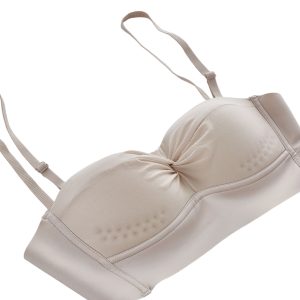
Bra Size Grading Guide: How Manufacturers Scale Bra Sizes Correctly
Introduction
Bra size grading is one of the most important steps in lingerie product development. After a sample bra is approved, manufacturers must create additional sizes while maintaining fit, support, and comfort.
Incorrect grading can lead to inconsistent sizing, customer complaints, and higher return rates. Understanding how bra size grading works helps brands launch products with greater confidence.
What Is Bra Size Grading?
Bra size grading is the process of scaling a bra pattern into multiple sizes while preserving the original design and fit characteristics.
Manufacturers adjust:
- Cup dimensions
- Band length
- Strap placement
- Wire size
- Wing width
The goal is to ensure that every size provides a similar fit experience.
Why Proper Bra Size Grading Matters
Before grading multiple sizes, manufacturers usually complete a fit evaluation process. Learn more in our guide:
How to Test Bra Fit Before Mass Production
A bra that fits perfectly in one size may perform poorly in larger or smaller sizes if grading is not done correctly.
Benefits of accurate grading include:
- Better customer satisfaction
- Improved fit consistency
- Reduced product returns
- Stronger brand reputation
Professional lingerie manufacturers invest significant time in grading before mass production.
Common Bra Grading Challenges
Cup Volume Changes
Cup volume increases differently than band size.
Manufacturers must carefully adjust cup depth and shape to maintain support.
Underwire Selection
Different cup sizes often require different wire specifications.
Incorrect wire grading can affect comfort and breast support.
Strap Positioning
Larger cup sizes usually require wider strap placement and additional support features.
Fabric Stretch Differences
Fabric selection also affects grading accuracy because different materials stretch differently. Read:
How to Choose Fabrics for Lingerie Manufacturing
Elastic fabrics react differently across size ranges.
Pattern adjustments must account for fabric behavior.
How Manufacturers Test Graded Sizes
Most lingerie manufacturers do not rely solely on software grading.
Additional testing often includes:
- Fit samples
- Wear trials
- Size set reviews
- Technical corrections
Testing helps identify grading issues before bulk production begins.
Best Practices for Lingerie Brands
When developing a bra collection, brands should:
- Start with a well-fitted base size
- Create detailed tech packs
- Review size grading rules carefully
- Test multiple graded sizes
- Work with experienced lingerie manufacturers
These steps help ensure a consistent fit across the entire size range.
Conclusion
Bra size grading plays a critical role in lingerie manufacturing. Proper grading ensures that bras maintain fit, support, and comfort across multiple sizes.
By understanding grading principles and testing size ranges thoroughly, brands can improve product quality and deliver a better customer experience.
Brands developing new collections should also avoid common production issues discussed in:
Common Bra Production Mistakes New Brands Make