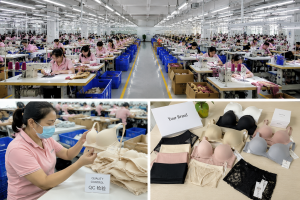
Private Label Seamless Bras: OEM Manufacturing Guide for Brands
Part 1
Launching a successful lingerie brand requires more than attractive product designs. Today’s customers expect products that combine comfort, quality, modern styling, and consistent performance. Among all lingerie categories, seamless bras have become one of the fastest-growing segments because they provide exceptional comfort, flexibility, and a smooth appearance under clothing.
For entrepreneurs, wholesalers, retailers, and established fashion brands, private label seamless bras offer an efficient way to enter this growing market without investing in expensive production facilities.
Instead of building a manufacturing factory from the ground up, brands can work with an experienced seamless bra manufacturer to develop customized products under their own brand name. This approach significantly reduces development costs while allowing businesses to focus on marketing, customer experience, and brand growth.
In this guide, we’ll explain everything you need to know about private label seamless bras, including OEM manufacturing, customization options, sample development, quality control, minimum order quantities, and how to choose the right manufacturing partner.
What Are Private Label Seamless Bras?
Private label seamless bras are products manufactured by an experienced factory but sold under your own brand.
Rather than purchasing generic products with the factory’s branding, private label manufacturing allows you to customize various elements while maintaining complete ownership of your brand identity.
Most private label projects include:
- Brand logo
- Woven labels
- Heat-transfer labels
- Care labels
- Hang tags
- Packaging boxes
- Polybags
- Barcode stickers
- Instruction cards
Consumers recognize your company—not the factory—as the product brand.
This business model has become increasingly popular because it allows companies to launch professional lingerie collections without managing complex manufacturing operations.
Why Private Label Seamless Bras Continue to Grow
Consumer demand has changed significantly over the past decade.
Instead of purchasing products solely based on price, customers increasingly value comfort, quality, sustainability, and trusted brands.
Private label brands are benefiting from this shift because they can offer unique products that compete directly with established international labels.
Several factors continue driving growth in the seamless bra market.
Superior Comfort
Seamless bras eliminate many traditional stitched seams, creating a smoother wearing experience for everyday use.
Consumers appreciate lightweight products that remain comfortable throughout long working days, travel, exercise, and casual activities.
Strong Demand for Athleisure
The popularity of yoga, fitness, and active lifestyles has significantly increased demand for seamless sports bras and wireless bras.
Many private label brands now expand into activewear because seamless technology performs exceptionally well in sports applications.
Brand Differentiation
Private label manufacturing allows businesses to create unique collections instead of competing solely on price.
Customized colors, packaging, logos, and product features help brands establish a stronger market position.
Higher Profit Margins
Compared with reselling existing branded products, private label collections often provide higher profit margins because businesses control pricing, marketing, and customer relationships.
As brand recognition grows, customer loyalty also increases.
OEM vs Private Label: What’s the Difference?
Many buyers use the terms OEM and private label interchangeably, but they describe different manufacturing approaches.
OEM Manufacturing
OEM manufacturing allows customers to develop products according to their own specifications.
Customization may include:
- Product construction
- Fabric selection
- Compression level
- Cup design
- Strap structure
- Support level
- Size grading
OEM projects involve greater product development but offer maximum flexibility.
Private Label Manufacturing
Private label manufacturing focuses primarily on branding existing or slightly modified products.
Typical customization includes:
- Company logo
- Labels
- Packaging
- Color selection
- Hang tags
- Marketing materials
Because product development is simpler, private label manufacturing usually requires less development time than fully customized OEM projects.
Many successful brands begin with private label products before expanding into full OEM collections.
Why Work with a Professional Seamless Bra Manufacturer?
Choosing an experienced manufacturing partner significantly improves your chances of building a successful lingerie brand.
Professional manufacturers provide:
- Product development support
- Stable product quality
- Reliable production planning
- Flexible customization
- International shipping experience
- Technical recommendations
- Quality control systems
More importantly, experienced manufacturers help brands avoid common production mistakes while improving efficiency throughout the development process.
Customization Options for Private Label Seamless Bras
One of the biggest advantages of private label manufacturing is the ability to customize products to match your brand identity. Instead of selling generic products that look identical to competitors, you can create a seamless bra collection that reflects your brand’s positioning and customer expectations.
A professional seamless bra manufacturer should offer a wide range of customization options.
Logo Customization
Your brand logo is one of the most important elements of a private label product.
Common logo options include:
- Heat transfer logos
- Silicone logos
- Printed logos
- Woven brand labels
- Jacquard logos
- Embroidered logos
The appropriate method depends on the product design, target market, and brand image.
Color Customization
Color plays a significant role in product appeal.
Professional manufacturers can usually produce seamless bras in:
- Classic black
- White
- Nude
- Grey
- Navy
- Seasonal fashion colors
- Pantone custom colors
Using custom colors helps distinguish your products from standard market offerings.
Fabric Selection
Different customer groups have different performance expectations.
Popular fabric combinations include:
- Nylon + Spandex
- Polyester + Spandex
- Recycled Nylon
- Recycled Polyester
- Bamboo Blends
- Moisture-Wicking Performance Yarn
Selecting the right fabric improves comfort, durability, and overall product performance.
Cup and Support Design
Private label seamless bras can also be customized according to support requirements.
Options include:
- Removable pads
- Fixed molded cups
- Light support
- Medium support
- High-impact support
- Push-up construction
- Wireless structure
These options allow brands to develop collections for different customer segments, from everyday wear to sports and maternity products.
Packaging Customization
Professional packaging strengthens your brand image and improves the customer experience.
Packaging options often include:
- Custom poly bags
- Printed gift boxes
- Kraft paper packaging
- Hang tags
- Barcode stickers
- Care cards
- Thank-you cards
Well-designed packaging increases perceived product value while helping customers remember your brand.
Sample Development Before Mass Production
Sampling is one of the most important stages of private label manufacturing.
Rather than moving directly into bulk production, manufacturers first develop samples for customer approval.
A typical sampling process includes:
Design Confirmation
The customer confirms product style, measurements, colors, materials, and branding requirements.
Material Preparation
The factory prepares yarns, elastics, cups, trims, labels, and accessories according to the approved specifications.
Prototype Development
Experienced technicians produce the first sample using production equipment similar to mass production.
The customer then evaluates:
- Product appearance
- Wearing comfort
- Fit
- Elastic recovery
- Support
- Stitching quality
- Logo placement
- Packaging
Sample Revision
Most private label projects require one or two rounds of adjustments before final approval.
Changes may include:
- Strap length
- Cup shape
- Elastic tension
- Label position
- Color matching
- Packaging details
Careful sample approval significantly reduces production risks later.
Understanding MOQ for Private Label Orders
MOQ (Minimum Order Quantity) is often one of the first questions asked by new brands.
In reality, MOQ depends on several production factors rather than one fixed number.
These include:
- Product style
- Number of colors
- Fabric availability
- Custom accessories
- Printing requirements
- Packaging customization
For businesses entering the market, experienced manufacturers often recommend simplifying customization during the first order.
For example:
- Choose stock colors instead of custom dyeing.
- Use existing fabric compositions.
- Standardize accessories across multiple styles.
- Start with standard packaging and upgrade later.
These strategies help reduce investment while maintaining professional product quality.
As your business grows, you can gradually introduce more advanced customization options.
Quality Control for Private Label Seamless Bras
Your customers purchase products under your brand name, making quality consistency essential.
Professional manufacturers should inspect products throughout every production stage rather than relying only on final inspections.
A complete quality control system includes:
- Raw material inspection
- Yarn inspection
- Knitting inspection
- Cup molding inspection
- Sewing inspection
- Size verification
- Stretch testing
- Color consistency inspection
- Packaging inspection
Factories with dedicated quality control teams generally achieve lower defect rates and more consistent customer satisfaction.
Requesting production photos or inspection reports can also increase confidence before shipment.
Production Lead Time and Order Management
Reliable delivery is just as important as product quality. A delayed shipment can affect product launches, seasonal promotions, and customer satisfaction.
Professional seamless bra manufacturers establish clear production schedules before confirming an order.
A typical production timeline includes:
| Production Stage | Estimated Time |
|---|---|
| Product Consultation | 1–3 Days |
| Sample Development | 7–15 Days |
| Sample Approval | 3–7 Days |
| Material Preparation | 10–15 Days |
| Bulk Production | 25–40 Days |
| Quality Inspection | 2–5 Days |
| Packaging | 2–3 Days |
| Shipment | Depends on Destination |
Production time may vary depending on customization requirements, order quantity, and seasonal demand.
Experienced manufacturers provide regular production updates so customers can manage inventory and product launches with confidence.
How to Choose the Right Private Label Seamless Bra Manufacturer
Not every supplier offers the same level of expertise. Choosing the right manufacturing partner requires evaluating much more than price.
Before making a decision, consider the following factors.
Experience in Seamless Bra Manufacturing
A factory specializing in seamless bras understands the unique production techniques, machinery, and materials required to manufacture high-quality products.
Ask questions such as:
- How many years have you manufactured seamless bras?
- Which countries do you export to?
- What percentage of your business is OEM or private label?
- Which product categories do you specialize in?
Product Development Capability
A professional manufacturer should help improve your products rather than simply producing them.
Look for factories that provide:
- Design consultation
- Material recommendations
- Sample optimization
- Pattern improvements
- Technical support
An experienced development team can often reduce production costs while improving product performance.
Manufacturing Equipment
Modern seamless bra production depends on advanced technology.
Reliable manufacturers invest in:
- Computerized seamless knitting machines
- Automatic molding equipment
- Digital pattern systems
- Fabric inspection equipment
- Professional testing instruments
Advanced equipment improves production consistency while reducing manufacturing errors.
Quality Management System
Quality should be controlled throughout the manufacturing process rather than only before shipment.
Choose manufacturers that perform:
- Incoming material inspection
- In-process quality control
- Final product inspection
- Random shipment inspection
Factories with structured quality management systems generally produce more consistent results.
Communication
Clear communication is one of the strongest indicators of a reliable supplier.
Professional manufacturers should:
- Respond promptly
- Provide detailed quotations
- Confirm specifications clearly
- Share production progress
- Solve problems efficiently
Good communication reduces misunderstandings and helps projects stay on schedule.
Why Choose BrasFactory?
At BrasFactory, we understand that every brand has different goals.
Whether you are launching your first private label collection or expanding an established lingerie business, we provide flexible manufacturing solutions designed to support long-term growth.
Our advantages include:
- Professional seamless bra manufacturing
- OEM and private label services
- Flexible customization options
- Experienced product development team
- Strict quality control
- Stable production capacity
- Competitive pricing
- International export experience
- Responsive customer support
Conclusion
Private label seamless bras provide an excellent opportunity for brands to enter one of the fastest-growing segments of the global lingerie market.
By working with an experienced seamless bra manufacturer, businesses can develop customized products, strengthen brand identity, and reduce production risks while maintaining consistent product quality.
From product development and sample approval to bulk production, quality control, and international shipping, selecting the right manufacturing partner plays a critical role in long-term business success.
Whether you are building a new lingerie brand or expanding an existing product line, investing in professional private label manufacturing creates a strong foundation for future growth.
Frequently Asked Questions
What are private label seamless bras?
Private label seamless bras are manufactured by a factory but sold under your own brand name with customized logos, labels, and packaging.
What is the difference between OEM and private label?
OEM manufacturing allows full product customization, while private label manufacturing focuses mainly on branding existing or slightly modified products.
Can startups launch a private label seamless bra brand?
Yes. Many manufacturers offer flexible MOQ options, sample development, and customization services specifically for startups and growing businesses.
How long does production usually take?
Most projects require approximately 7–15 days for sampling and 25–40 days for bulk production, depending on customization and order quantity.
Can I customize packaging and labels?
Yes. Professional manufacturers typically offer custom logos, woven labels, care labels, hang tags, poly bags, retail boxes, and other branded packaging solutions.
Ready to develop your own private label seamless bra collection? Contact our team to discuss your project.