
How to Find a Reliable Private Label Bra Manufacturer
Launching a successful lingerie brand requires more than attractive product designs. One of the most important decisions you will make is choosing the right private label bra manufacturer. A reliable manufacturing partner can help you produce high-quality bras, maintain consistent product standards, reduce production risks, and support the long-term growth of your business.
With thousands of lingerie factories available worldwide, selecting the right supplier can be challenging. This guide explains the key factors every buyer should evaluate before starting cooperation with a private label bra manufacturer.
What Is a Private Label Bra Manufacturer?
A private label bra manufacturer produces bras that are sold under your own brand name instead of the factory’s brand.
Most manufacturers provide services such as:
- Custom logo printing
- Private woven labels
- OEM manufacturing
- ODM product development
- Customized packaging
- Hang tags
- Size labels
- Color customization
Private label manufacturing allows brands to build their own market identity without investing in expensive production facilities.
Why Choosing the Right Manufacturer Matters
Your manufacturing partner directly affects product quality, customer satisfaction, delivery schedules, and future business growth.
An experienced manufacturer helps reduce production mistakes while providing valuable advice on fabric selection, construction methods, and cost control.
Choosing an unreliable supplier often leads to delayed shipments, inconsistent sizing, quality complaints, and unnecessary financial losses.
Evaluate Manufacturing Experience
Experience should always be one of your first evaluation criteria.
Ask the manufacturer questions such as:
- How many years have you produced bras?
- Which countries do you export to?
- Do you specialize in lingerie or general apparel?
- Which bra categories do you manufacture?
Manufacturers with years of experience usually have more mature production systems and stronger problem-solving capabilities.
Check Product Categories
Professional manufacturers should offer multiple product categories, including:
- Wireless bras
- Push-up bras
- Sports bras
- Seamless bras
- Lace bras
- Nursing bras
- Bralettes
- Plus-size bras
A factory capable of producing multiple product types can better support future product expansion.
Review OEM and ODM Services
Many buyers confuse OEM and ODM manufacturing.
OEM manufacturing allows customers to provide their own designs while the factory handles production.
ODM manufacturing allows buyers to choose existing factory designs and customize logos, colors, packaging, or minor product details.
Choose a supplier that can provide both services because it offers greater flexibility as your business develops.
Assess Quality Control Systems
Quality control is one of the most important indicators of a professional manufacturer.
Reliable factories inspect products during every production stage rather than only before shipment.
A complete quality control process should include:
- Raw material inspection
- Fabric testing
- Cutting inspection
- Sewing inspection
- Measurement verification
- Elasticity testing
- Appearance inspection
- Packaging inspection
Factories with comprehensive inspection systems usually maintain lower defect rates and higher customer satisfaction.
Production Capacity
Production capacity determines whether a manufacturer can support your company’s future growth.
Before cooperation, confirm:
- Monthly production capacity
- Number of production lines
- Average lead time
- Sample development time
- Peak season production schedule
Factories with stable production planning are generally more reliable than suppliers that frequently delay deliveries.
Material Selection
The quality of a bra largely depends on the materials used during production. A professional private label bra manufacturer should offer a wide selection of fabrics and accessories suitable for different markets and customer preferences.
Common materials include:
- Nylon and Spandex blends
- Cotton fabrics
- Lace and embroidered lace
- Modal
- Bamboo fiber
- Recycled performance fabrics
- Breathable mesh
- Power mesh for support
Besides fabrics, manufacturers should also provide high-quality accessories such as underwires, elastic bands, hooks and eyes, adjustable straps, molded cups, and decorative trims.
If your brand focuses on sustainability, ask whether recycled or eco-friendly materials are available.
Understanding MOQ Requirements
MOQ (Minimum Order Quantity) is another important factor when choosing a manufacturer.
Every factory has different MOQ policies depending on:
- Product style
- Fabric availability
- Color options
- Custom logo requirements
- Packaging customization
Some manufacturers offer lower MOQs for first-time customers or sample orders, while fully customized products generally require larger quantities.
Understanding MOQ in advance helps you plan inventory and manage your production budget effectively.
Request Samples Before Production
Never place a bulk order without reviewing samples.
A sample allows you to evaluate:
- Fabric quality
- Stitching
- Bra cup shape
- Size consistency
- Elastic recovery
- Comfort
- Overall workmanship
During sampling, provide detailed feedback so the manufacturer can make adjustments before mass production begins.
Investing in proper sample development can save significant costs later.
Certifications and Compliance
If you sell products internationally, verify that the manufacturer complies with relevant quality and safety standards.
Depending on your target market, certifications may include:
- OEKO-TEX® Standard 100
- BSCI
- ISO 9001
- GRS (Global Recycled Standard)
- REACH compliance
Not every buyer requires all certifications, but a manufacturer with recognized compliance systems usually demonstrates stronger quality management.
Communication Is Critical
Successful manufacturing partnerships depend on clear and efficient communication.
A reliable supplier should respond promptly to inquiries and provide transparent information regarding pricing, production schedules, and order progress.
Pay attention to how quickly they answer emails, whether quotations are detailed, and whether technical questions receive professional responses.
Good communication helps prevent misunderstandings and keeps projects moving smoothly.
Shipping and Delivery
International buyers should also evaluate logistics capabilities.
Discuss:
- Production lead time
- Packaging methods
- Shipping options
- Export documentation
- Incoterms (FOB, EXW, CIF, etc.)
Manufacturers experienced in exporting can often help streamline customs procedures and reduce shipping delays.
Common Mistakes Buyers Should Avoid
Many new brands make avoidable mistakes when selecting a private label bra manufacturer.
Common mistakes include:
- Choosing only the lowest price
- Skipping sample approval
- Ignoring quality inspection
- Not confirming production timelines
- Failing to define packaging requirements
- Overlooking communication quality
- Not signing clear agreements
Avoiding these issues helps build a more stable long-term partnership.
Why Many Brands Choose Chinese Manufacturers
China remains one of the world’s leading lingerie manufacturing hubs because of its mature supply chain, skilled workforce, and efficient production capabilities.
An experienced Chinese private label bra manufacturer can often provide:
- Competitive pricing
- Flexible customization
- Large production capacity
- Advanced manufacturing equipment
- Fast sample development
- Reliable export experience
For many international brands, working with an established Chinese manufacturer offers an excellent balance of quality, customization, and cost.
Conclusion
Choosing the right private label bra manufacturer is one of the most important investments for any lingerie brand.
Instead of focusing only on price, evaluate the manufacturer’s experience, product quality, customization capabilities, production capacity, quality control systems, certifications, and communication efficiency.
A reliable manufacturing partner will not only produce excellent bras but also help your business grow sustainably over the long term.
Frequently Asked Questions
1. What is a private label bra manufacturer?
A private label bra manufacturer produces bras that are sold under your own brand name with customized labels, packaging, and product specifications.
2. What is the difference between OEM and ODM?
OEM manufacturing follows your own designs, while ODM manufacturing allows you to customize products based on the manufacturer’s existing designs.
3. Can new brands work with private label manufacturers?
Yes. Many manufacturers support startups by offering flexible MOQ options and sample development services.
4. How long does bra production usually take?
Sample development typically takes 7–15 days. Bulk production often requires 30–60 days, depending on the order size and product complexity.
5. How can I verify a manufacturer’s quality?
Request samples, review certifications, ask about quality control procedures, and communicate clearly before placing bulk orders.
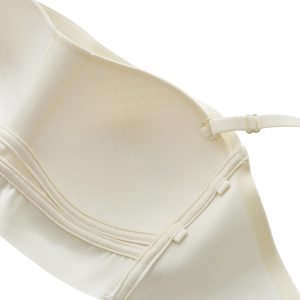
High quality bra manufacturing process in factory