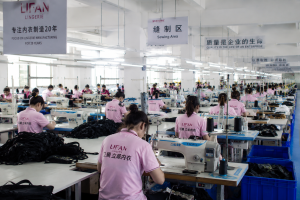
OEM Seamless Bras: Complete OEM Manufacturing Guide
Part 1
The global demand for seamless bras continues to grow as consumers seek products that combine comfort, support, flexibility, and modern design. For lingerie brands looking to differentiate themselves in competitive markets, OEM manufacturing provides the opportunity to develop exclusive seamless bra collections that reflect their unique identity.
Unlike private label manufacturing, which focuses primarily on adding branding to existing products, OEM seamless bras allow businesses to customize nearly every aspect of product development. From fabric composition and cup construction to logo placement, packaging, and technical performance, OEM manufacturing gives brands complete control over the final product.
Whether you are launching a new lingerie brand, expanding an activewear collection, or sourcing premium seamless bras for wholesale distribution, choosing an experienced OEM manufacturer is one of the most important decisions for long-term business success.
This guide explains the complete OEM seamless bra manufacturing process, including customization options, product development, production management, quality control, and how to select the right manufacturing partner.
What Are OEM Seamless Bras?
OEM stands for Original Equipment Manufacturer.
In the lingerie industry, OEM manufacturing means that products are developed according to the customer’s own specifications instead of using standard factory designs.
With OEM seamless bras, brands can customize:
- Fabric composition
- Support level
- Cup structure
- Strap design
- Back closure
- Color combinations
- Logo application
- Labels
- Packaging
- Size grading
This level of flexibility enables companies to create exclusive collections that strengthen brand identity while meeting the needs of specific customer groups.
OEM vs Private Label Seamless Bras
Many buyers confuse OEM and private label manufacturing, but they serve different business goals.
OEM Manufacturing
OEM production focuses on creating products based on the customer’s own requirements.
Typical OEM services include:
- New product development
- Custom materials
- Unique technical specifications
- Exclusive patterns
- Custom packaging
- Engineering support
OEM is ideal for brands that want to build proprietary product lines.
Private Label Manufacturing
Private label production is generally faster because manufacturers use existing product designs.
Customers mainly customize:
- Brand logos
- Care labels
- Hang tags
- Packaging
- Brand identity
Private label is often recommended for startups seeking faster market entry.
Advantages of OEM Seamless Bras
OEM manufacturing provides significant competitive advantages compared with purchasing generic products.
Complete Product Differentiation
Instead of selling products identical to competitors, brands develop unique collections that reflect their own positioning.
Better Product Quality Control
OEM customers participate in every stage of product development, ensuring the finished products meet their quality standards.
Greater Design Flexibility
Manufacturers can customize:
- Neckline styles
- Compression zones
- Ventilation panels
- Decorative knitting
- Fabric weight
- Elasticity
- Cup construction
This flexibility allows brands to respond quickly to changing market trends.
Stronger Brand Identity
Exclusive product development strengthens customer recognition while reducing direct price competition.
Brands become known for their own products rather than generic factory designs.
Industries That Choose OEM Seamless Bras
OEM seamless bras are widely used by:
- Lingerie brands
- Activewear companies
- Fashion retailers
- E-commerce sellers
- Amazon brands
- Department stores
- Chain retailers
- Fitness apparel companies
- Wholesale distributors
Each business has different requirements, making OEM manufacturing an ideal solution for customized product development.
OEM Product Development Process
Professional OEM manufacturers typically follow a structured development process.
The first stage begins with understanding the customer’s business goals.
Manufacturers evaluate:
- Target market
- Product positioning
- Customer demographics
- Expected price range
- Annual purchasing volume
- Performance requirements
Based on this information, engineers recommend suitable fabrics, knitting structures, support levels, and manufacturing solutions before sample development begins.
A structured development process reduces production risks while improving final product quality.
OEM Customization Options
One of the biggest advantages of choosing OEM seamless bras is the ability to customize nearly every product detail. Instead of selecting products from an existing catalog, brands can create collections that match their target market, pricing strategy, and brand identity.
Professional OEM manufacturers typically offer customization in the following areas.
Fabric Selection
Fabric directly influences the comfort, durability, and performance of a seamless bra.
Common material options include:
- Nylon and Spandex blends
- Recycled nylon
- Recycled polyester
- Moisture-wicking yarns
- Cooling fabrics
- Antibacterial fibers
- Soft microfiber fabrics
Different product categories require different fabric solutions. For example, everyday bras prioritize softness, while sports bras require stronger compression and moisture management.
Color Development
Color customization allows brands to build consistent product collections.
Manufacturers usually provide:
- Standard colors
- Pantone color matching
- Seasonal fashion colors
- Custom dyeing services
Maintaining color consistency across different production batches is especially important for established brands.
Cup Design
OEM manufacturing allows customers to choose cup structures based on product positioning.
Available options include:
- Removable padding
- Fixed molded cups
- Push-up cups
- Wireless cups
- Light support
- Medium support
- High support
The appropriate design depends on the intended application and target customer.
Strap Configuration
Shoulder straps affect both comfort and appearance.
Customization options include:
- Adjustable straps
- Racerback designs
- Cross-back styles
- Wide support straps
- Convertible straps
- Decorative elastic straps
These options allow brands to create products for activewear, everyday lingerie, or fashion collections.
Branding Solutions
OEM manufacturers provide complete branding services that help businesses establish a professional market presence.
Branding options include:
- Heat transfer logos
- Silicone logos
- Woven labels
- Printed care labels
- Hang tags
- Retail boxes
- Poly bags
- Barcode labels
- Instruction cards
Consistent branding improves customer recognition and enhances the perceived value of the product.
OEM Sample Development
Sample development is one of the most important stages in OEM manufacturing because it allows brands to evaluate products before mass production begins.
The process generally follows these steps.
Step 1 – Design Confirmation
Customers submit sketches, reference samples, technical drawings, or design ideas.
The engineering team reviews the design and provides technical recommendations where necessary.
Step 2 – Material Preparation
Suitable yarns, fabrics, accessories, elastic bands, cups, and trims are selected according to the approved specifications.
Step 3 – Prototype Production
The first sample is produced using production-grade equipment.
Customers evaluate:
- Product appearance
- Fit
- Support
- Comfort
- Stretch
- Branding
- Packaging
Step 4 – Sample Revision
Customer feedback is incorporated into the design before final approval.
Multiple revisions may be completed until the product fully meets technical and commercial requirements.
Minimum Order Quantity (MOQ)
MOQ depends on several production factors rather than a fixed number.
Factors influencing MOQ include:
- Product style
- Number of colors
- Customized accessories
- Printing methods
- Packaging requirements
- Material availability
For new brands, experienced manufacturers often recommend starting with fewer customized components to reduce development costs while maintaining product quality.
Production Capacity
Production capacity is another important consideration when selecting an OEM manufacturer.
Professional factories should have sufficient capacity to support both small trial orders and large-scale production.
Key capabilities include:
- Multiple seamless knitting machines
- Experienced production teams
- Stable raw material supply
- Flexible scheduling
- Efficient production management
Strong production capacity ensures reliable delivery during peak seasons and supports long-term business growth.
Quality Control During OEM Production
Quality management begins long before the finished products leave the factory.
Professional OEM manufacturers implement inspections throughout every production stage.
Quality control includes:
- Incoming material inspection
- Yarn inspection
- Knitting inspection
- Assembly inspection
- Cup inspection
- Measurement verification
- Stretch testing
- Packaging inspection
Comprehensive quality management helps reduce production defects while ensuring consistent product performance.
Lead Time
Although production schedules vary depending on order complexity, a typical OEM project follows this timeline.
| Stage | Estimated Time |
|---|---|
| Product Consultation | 1–3 Days |
| Design Evaluation | 3–5 Days |
| Sample Development | 7–15 Days |
| Sample Approval | 3–7 Days |
| Material Preparation | 10–15 Days |
| Bulk Production | 25–40 Days |
| Quality Inspection | 2–5 Days |
| Shipment | 5–7 Days |
Maintaining clear communication throughout the project helps ensure products are delivered on schedule.
Why Choose an OEM Seamless Bra Manufacturer?
Selecting the right OEM manufacturing partner is about more than production capacity. A reliable factory should provide technical expertise, stable quality, and long-term support that helps your brand grow.
Professional Engineering Support
Experienced OEM manufacturers do more than produce garments. Their engineering teams help optimize product designs before production begins.
Technical support may include:
- Material recommendations
- Cup structure optimization
- Compression zone development
- Size grading
- Pattern improvements
- Production feasibility analysis
Early engineering support helps reduce development time while improving product performance.
Advanced Manufacturing Equipment
High-quality seamless bras require specialized production equipment.
Professional factories typically invest in:
- Computerized circular knitting machines
- Automatic cup molding systems
- Heat-setting equipment
- Digital pattern software
- Fabric inspection systems
- Automated quality testing equipment
Modern production technology improves consistency, efficiency, and product quality.
Stable Supply Chain
Reliable OEM manufacturers maintain long-term relationships with qualified suppliers.
A stable supply chain ensures:
- Consistent material quality
- Reliable lead times
- Stable pricing
- Continuous production
- Better inventory planning
Supply chain stability becomes especially important for brands planning multiple seasonal collections.
International Export Experience
Manufacturers serving international markets understand global quality standards and export requirements.
Experienced export teams can assist with:
- Shipping documentation
- Packaging standards
- Product labeling
- Customs requirements
- International logistics coordination
This support reduces shipping risks and improves delivery efficiency.
How to Choose the Right OEM Seamless Bra Manufacturer
Choosing an OEM partner should involve more than comparing quotations.
Consider the following factors before making a decision.
Manufacturing Experience
Ask potential suppliers:
- How many years have you specialized in seamless bras?
- Which countries do you currently export to?
- What percentage of your business is OEM manufacturing?
- Can you provide customer references or case studies?
Factories with extensive OEM experience are usually better prepared to solve technical challenges.
Product Development Capability
A strong product development team should provide:
- Product design consultation
- Material recommendations
- Sample optimization
- Fit improvements
- Technical documentation
Professional development support shortens product launch cycles while improving final quality.
Quality Management
Reliable manufacturers implement standardized inspection systems throughout production.
Look for factories that conduct:
- Incoming material inspection
- In-process quality control
- Finished product inspection
- Random shipment inspection
Comprehensive quality management reduces defect rates and supports consistent production.
Communication Efficiency
Efficient communication is essential throughout every OEM project.
Professional manufacturers should:
- Respond promptly
- Confirm technical specifications clearly
- Provide transparent quotations
- Share production updates regularly
- Resolve issues quickly
Good communication builds trust and contributes to successful long-term cooperation.
Why Work With BrasFactory?
BrasFactory specializes in OEM and private label seamless bra manufacturing for international lingerie brands, retailers, wholesalers, and e-commerce businesses.
Our strengths include:
- Professional OEM development
- Advanced seamless knitting technology
- Experienced engineering team
- Flexible customization solutions
- Strict quality control
- Stable production capacity
- International export experience
- Responsive customer support
From concept development and sample production to bulk manufacturing and global shipping, we provide comprehensive OEM solutions designed to help brands build competitive seamless bra collections.
Conclusion
OEM seamless bras provide brands with complete control over product development, allowing them to create collections that reflect their unique identity and market positioning.
Through professional design support, advanced manufacturing technology, strict quality management, and flexible customization, experienced OEM manufacturers help businesses transform ideas into successful commercial products.
Whether you are developing your first seamless bra collection or expanding an established lingerie brand, choosing the right OEM manufacturing partner is one of the most important investments you can make for long-term growth.
Frequently Asked Questions
What are OEM seamless bras?
OEM seamless bras are bras manufactured according to a customer’s own specifications, including custom fabrics, designs, branding, sizing, and packaging.
What is the difference between OEM and private label?
OEM manufacturing allows complete product customization, while private label focuses primarily on branding existing product designs.
Can I customize fabrics and logos?
Yes. Professional OEM manufacturers support customized fabrics, colors, logos, labels, packaging, cup structures, and technical specifications.
What is the MOQ for OEM seamless bras?
MOQ depends on the product design, fabric availability, colors, accessories, and customization requirements. Flexible solutions are often available for new brands.
How long does OEM production take?
Sample development usually requires 7–15 days, while bulk production generally takes 25–40 days after sample approval.