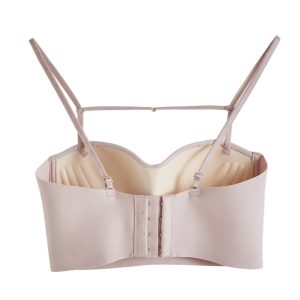
How Long Does Bra Manufacturing Take? Complete Production Timeline
Understanding the bra manufacturing timeline helps brands plan production more effectively.
Typical Bra Manufacturing Timeline
Introduction
A clear understanding of the bra manufacturing timeline allows lingerie brands to reduce delays and improve planning.
One of the most common questions lingerie brands ask manufacturers is: “How long will production take?”
Understanding the complete bra manufacturing timeline helps brands plan product launches, inventory management, marketing campaigns, and seasonal collections more effectively.
The actual production timeline depends on factors such as product complexity, material availability, order quantity, and factory capacity. However, most bra manufacturing projects follow a similar development and production process.
This guide explains each stage of the lingerie manufacturing timeline and provides realistic expectations for brands working with OEM and private label manufacturers.
Stage 1: Product Development and Tech Pack Preparation
The manufacturing process begins long before fabrics are cut or products enter production.
Brands must first prepare:
- Product sketches
- Technical drawings
- Size specifications
- Fabric requirements
- Trim information
- Branding details
A complete tech pack reduces communication errors and speeds up development.
Typical timeline:
3–7 DaysFor more complex products, preparation may take longer.
Stage 2: Material Sourcing
After reviewing the tech pack, manufacturers begin sourcing materials.
This may include:
- Lace
- Mesh
- Microfiber
- Elastics
- Underwires
- Hooks and eyes
- Packaging materials
Material lead times vary significantly depending on supplier availability.
Typical timeline:
5–15 DaysImported specialty materials may require additional time.
Stage 3: Pattern Making
Pattern development converts design concepts into production-ready specifications.
Pattern makers create:
- Cup patterns
- Wing patterns
- Strap placements
- Grading rules
Accurate pattern development is critical for fit and consistency.
Typical timeline:
2–5 DaysStage 4: Prototype Sample Development
Manufacturers then create the first prototype sample.
The goal is to evaluate:
- Construction methods
- Product appearance
- Design feasibility
- Manufacturing requirements
This sample is often produced using available materials rather than final approved fabrics.
Typical timeline:
5–10 DaysStage 5: Fit Testing and Revisions
Fit evaluation is one of the most important stages of bra development.
Brands review:
- Cup shape
- Support performance
- Strap positioning
- Comfort
- Overall fit
Several revision rounds may be required.
Typical timeline:
1–3 WeeksThis stage often accounts for the largest portion of product development time.
Stage 6: Pre-Production Sample (PPS)
After fit approval, manufacturers produce a pre-production sample using final approved materials and construction methods.
The PPS becomes the quality benchmark for bulk production.
Brands should carefully review:
- Materials
- Colors
- Measurements
- Packaging
- Labels
Typical timeline:
3–7 DaysStage 7: Material Purchasing
Once the PPS is approved, manufacturers begin purchasing production quantities of materials.
Factors affecting lead time include:
- Fabric availability
- Trim sourcing
- Supplier schedules
- Seasonal demand
Typical timeline:
7–20 DaysStage 8: Bulk Production
Production typically includes:
Cutting
Fabric spreading and cutting.
Sewing
Assembly of all garment components.
Inspection
Quality control checks during production.
Finishing
Thread trimming, labeling, and packaging.
Typical timeline:
| Order Size | Production Time |
|---|---|
| 500 pcs | 7–10 Days |
| 1,000 pcs | 10–15 Days |
| 3,000 pcs | 15–25 Days |
| 5,000+ pcs | 25–40 Days |
Production complexity significantly affects timelines.
Stage 9: Quality Control
Quality control occurs throughout manufacturing.
Inspections include:
- Material inspection
- In-line inspection
- Final inspection
- Packaging verification
Factories with strong quality systems can reduce defect rates and production delays.
Typical timeline:
1–3 DaysStage 10: Shipping and Delivery
Shipping methods greatly influence total project timelines.
Air Freight
Typical timeline:
5–10 DaysSea Freight
Typical timeline:
20–45 DaysExpress Courier
Typical timeline:
3–7 DaysFactors That Can Delay Production
Several issues may extend lead times.
Incomplete Tech Packs
Missing specifications often cause revisions.
Multiple Sample Revisions
Additional fit corrections increase development time.
Material Shortages
Supplier delays can affect production schedules.
Peak Manufacturing Seasons
Factory capacity becomes limited during busy periods.
Frequent Design Changes
Late-stage modifications can significantly delay production.
Typical Total Bra Manufacturing Timeline
For most OEM projects:
| Stage | Timeline |
|---|---|
| Development | 2–4 Weeks |
| Sampling | 2–4 Weeks |
| Material Procurement | 1–3 Weeks |
| Production | 2–5 Weeks |
| Shipping | 1–6 Weeks |
Typical total timeline:
6–14 Weeksdepending on product complexity and destination market.
How to Reduce Production Lead Times
Brands can improve efficiency by:
- Preparing detailed tech packs
- Approving samples quickly
- Consolidating revisions
- Planning seasonal collections early
- Working with experienced manufacturers
- Maintaining clear communication
Strong project management often reduces lead times more effectively than simply changing suppliers.
Conclusion
Bra manufacturing involves multiple development, sourcing, production, and logistics stages. While timelines vary by product and order size, most projects require between 6 and 14 weeks from concept to delivery.
Understanding the complete production timeline helps brands plan inventory, manage launches, and avoid costly delays.
By working closely with an experienced lingerie manufacturer and following a structured development process, brands can improve efficiency and achieve more predictable production schedules.