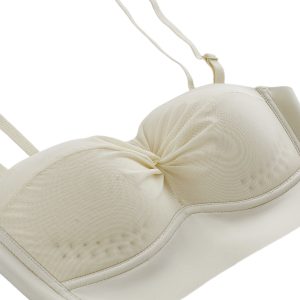
Custom Bra Manufacturing: Complete Guide for Lingerie Brands
Custom bra manufacturing allows lingerie brands to create unique products tailored to their target customers instead of relying on generic catalog designs.
Whether launching a new lingerie business or expanding an existing collection, understanding the custom bra manufacturing process helps reduce development risks and improve product quality.
This guide explains every stage of custom bra production, from concept development to mass manufacturing.
What Is Custom Bra Manufacturing?
Custom bra manufacturing refers to producing bras according to a brand’s specific requirements.
Manufacturers can customize:
- Bra styles
- Cup construction
- Fabric selection
- Lace designs
- Elastic components
- Closures and hardware
- Labels and packaging
Unlike ready-made wholesale products, custom bra manufacturing provides full control over product specifications and branding.
Benefits of Custom Bra Manufacturing
Unique Product Differentiation
Custom products help brands stand out in highly competitive lingerie markets.
Better Quality Control
Brands can select premium materials and establish quality requirements from the beginning.
Stronger Brand Identity
Customized designs reinforce brand positioning and customer recognition.
Higher Profit Margins
Private label and custom products generally generate higher margins than reselling standard products.
The Custom Bra Manufacturing Process
Step 1: Product Development
Brands define:
- Design concepts
- Target customer
- Size range
- Materials
- Functional requirements
A clear development brief reduces production errors later.
Step 2: Technical Package Creation
Manufacturers typically require a detailed tech pack containing:
- Technical sketches
- Measurements
- Fabric specifications
- Construction details
- Label placement
- Trim requirements
A professional tech pack improves communication and production accuracy.
Related reading:
- What Is a Bra Tech Pack and Why Is It Important?
- How to Create a Bra Tech Pack for Manufacturers
Step 3: Material Selection
Fabric selection directly affects:
- Comfort
- Durability
- Stretch recovery
- Support
- Production cost
Common materials include:
- Nylon
- Spandex
- Polyester
- Lace
- Mesh
- Cotton blends
Related reading:
- How to Choose Fabrics for Lingerie Manufacturing
Step 4: Sample Development
Sample production verifies:
- Fit
- Appearance
- Construction
- Functionality
Multiple revisions may be necessary before approval.
Related reading:
- How to Approve a Bra Sample Before Mass Production
Step 5: Bulk Production
After sample approval, manufacturers begin mass production.
Production stages usually include:
- Fabric inspection
- Cutting
- Sewing
- Assembly
- Quality inspection
- Packaging
Related reading:
- Common Bra Production Mistakes New Brands Make
MOQ Requirements for Custom Bra Manufacturing
Minimum order quantities vary by factory.
Typical ranges:
| Product Type | MOQ |
|---|---|
| Simple bras | 300–500 pcs |
| Lace bras | 500–1000 pcs |
| Sports bras | 500–1000 pcs |
| Fully customized bras | 1000+ pcs |
Related reading:
- What Is MOQ in Lingerie Manufacturing?
How Much Does Custom Bra Manufacturing Cost?
Production cost depends on:
- Materials
- Design complexity
- Order quantity
- Labor requirements
- Packaging
Additional expenses may include:
- Sampling fees
- Mold development
- Pattern making
- Shipping
Related reading:
- How Much Does It Cost to Manufacture Bras in 2026?
Choosing the Right Custom Bra Manufacturer
When evaluating suppliers, consider:
Experience
Look for manufacturers with proven lingerie expertise.
Quality Systems
Request information about inspection procedures and certifications.
Communication
Responsive communication reduces development delays.
Production Capacity
Ensure the factory can support future growth.
MOQ Flexibility
Lower MOQ options help startups manage inventory risks.
Related reading:
- How to Choose an OEM Lingerie Manufacturer in 2026
- Low MOQ Bra Manufacturer for Startups
Common Challenges in Custom Bra Manufacturing
Brands frequently encounter:
- Incorrect sizing
- Fabric inconsistencies
- Delayed approvals
- Production delays
- Communication issues
Working with experienced lingerie manufacturers significantly reduces these risks.
Why Brands Choose Custom Bra Manufacturing
Many lingerie brands prefer custom bra manufacturing because it allows greater flexibility in product development, branding, and market positioning.
Custom products help businesses create unique collections that better match customer expectations while maintaining control over quality and pricing.
As competition increases in the lingerie industry, custom bra manufacturing has become one of the most effective ways for brands to differentiate themselves and build long-term customer loyalty.
Conclusion
Custom bra manufacturing provides brands with greater control over design, quality, and brand positioning.
By following a structured development process and partnering with the right manufacturer, lingerie businesses can launch successful products while maintaining quality standards and production efficiency.