
How to Work With a Bra Manufacturer: Step-by-Step Guide for New Brands
Finding the right bra manufacturer is one of the most important decisions for any lingerie brand. The quality of your products, production timelines, pricing, and customer satisfaction all depend heavily on your manufacturing partner.
Many new brands struggle because they approach manufacturers without understanding the development and production process.
This guide explains how to work effectively with a bra manufacturer from the initial inquiry to long-term production partnerships.
Step 1: Define Your Product Requirements
Before contacting manufacturers, brands should clearly define their product goals.
Key considerations include:
- Product category
- Target customer
- Price range
- Size range
- Fabric requirements
- Branding requirements
Clear requirements help manufacturers provide accurate quotations and recommendations.
Step 2: Prepare a Professional Tech Pack
A tech pack serves as the blueprint for production.
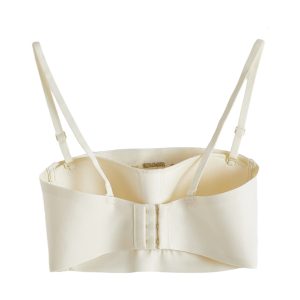
- Technical sketches
- Measurements
- Construction details
- Fabric specifications
- Trim requirements
- Packaging instructions
The more detailed the tech pack, the fewer production issues will occur later.
Related reading:
- What Is a Bra Tech Pack and Why Is It Important?
Step 3: Evaluate Potential Manufacturers
Not every supplier is suitable for every project.
Brands should evaluate:
Experience
Does the manufacturer specialize in lingerie?
Product Range
Can they produce your desired bra styles?
Production Capacity
Can they support future growth?
Communication
Do they respond quickly and professionally?
MOQ Requirements
Do their minimum order quantities fit your business model?
Related reading:
Step 4: Request Samples
Never place a production order without reviewing samples.
Sample evaluation should focus on:
- Fit
- Comfort
- Material quality
- Construction quality
- Appearance
Several revisions may be required before approval.
Related reading:
Step 5: Review Manufacturing Costs
Understanding pricing helps avoid unexpected expenses.
Manufacturing costs may include:
- Sample fees
- Pattern development
- Fabric sourcing
- Production costs
- Packaging
- Shipping
Brands should request detailed quotations whenever possible.
Related reading:
Step 6: Approve the Final Sample
Before production begins, brands should approve a final pre-production sample.
Review:
- Measurements
- Construction
- Branding
- Packaging
- Color accuracy
A signed approval process reduces production risks.
Related reading:
Step 7: Understand Production Timelines
Manufacturing timelines vary depending on:
- Product complexity
- Material availability
- Factory workload
- Order quantity
Planning ahead helps avoid delays.
Related reading:
Step 8: Monitor Quality Control
Quality control should continue throughout production.
Manufacturers should conduct:
Incoming Material Inspection
Verify raw materials before production.
In-Line Inspection
Identify problems during manufacturing.
Final Inspection
Review finished products before shipment.
Related reading:
- How to Reduce Defects in Lingerie Manufacturing
Step 9: Build a Long-Term Partnership
The best manufacturing relationships improve over time.
Benefits include:
- Better pricing
- Faster communication
- Improved consistency
- Priority scheduling
- Easier product development
Long-term partnerships often create significant competitive advantages.
Common Mistakes New Brands Make
Choosing Only Based on Price
The cheapest supplier is not always the best option.
Skipping Sample Reviews
Insufficient testing often leads to product issues.
Poor Communication
Unclear instructions create delays and mistakes.
Unrealistic Expectations
Manufacturing requires time and planning.
Ignoring Quality Control
Quality problems become more expensive after products reach customers.
Conclusion
Working with a bra manufacturer successfully requires preparation, communication, and realistic expectations.
Brands that invest time in product development, supplier evaluation, sample testing, and quality control are far more likely to achieve successful production outcomes.
Choosing the right manufacturing partner is not simply about finding a supplier—it’s about building a relationship that supports long-term business growth.