Underwire Bra Manufacturing: Complete 2026 Production Guide
Underwire bras remain one of the most popular lingerie products worldwide because they provide superior lift, shaping, and support.
For lingerie brands, understanding the underwire bra manufacturing process is essential for developing high-quality products that combine comfort, durability, and performance.
This guide explains how underwire bras are manufactured, which materials are used, and what quality standards manufacturers should follow.
What Is Underwire Bra Manufacturing?
Underwire bra manufacturing refers to the production of bras that contain a curved wire structure sewn into the cups.
The underwire helps:
- Support breast weight
- Improve shaping
- Enhance lift
- Maintain cup structure
Modern underwire bras are commonly used in:
- Everyday bras
- Push-up bras
- Full coverage bras
- Balconette bras
- Plus-size bras
Key Components of an Underwire Bra
Several components work together to create support and comfort.
Underwire
The wire is usually made from:
- Coated steel
- Stainless steel
- Flexible alloy materials
The wire must match cup dimensions precisely.
Cup Materials
Common cup materials include:
- Nylon blends
- Polyester fabrics
- Spacer fabrics
- Foam cups
Wing Fabric
Wing fabrics provide stability around the body while maintaining flexibility.
Elastic Components
Manufacturers use:
- Shoulder straps
- Underband elastic
- Decorative elastics
to improve fit and comfort.
Product Development Stage
Successful underwire bra manufacturing begins with product development.
Brands should define:
- Target customer
- Cup structure
- Support level
- Size range
- Material requirements
A detailed product specification helps manufacturers avoid production mistakes.
Related reading:
Pattern Making and Grading
Pattern development is especially important for underwire bras because cup shape directly affects comfort and support.
Manufacturers create:
- Base patterns
- Size grading rules
- Cup specifications
for every size range.
Related reading:
- Bra Size Grading Guide: How Manufacturers Scale Bra Sizes Correctly
Sample Development
Before bulk production begins, manufacturers create development samples.
Sample evaluation should focus on:
Fit Accuracy
The underwire must follow the natural breast root without discomfort.
Cup Shape
Cup volume and shape should remain consistent across sizes.
Support Performance
The bra should provide sufficient support without excessive pressure.
Related reading:
- How to Approve a Bra Sample Before Mass Production
Manufacturing Process
Typical underwire bra manufacturing includes:
Material Inspection
All fabrics, elastics, and trims are inspected before production.
Cutting
Computerized cutting systems improve consistency and reduce waste.
Sewing
Workers assemble:
- Cups
- Wings
- Center gore
- Straps
according to technical specifications.
Underwire Insertion
The wire is inserted into designated channels and securely enclosed.
Final Assembly
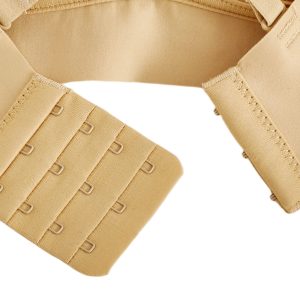
Closures, labels, and finishing details are completed.
Quality Control Requirements
Quality control is critical because underwire defects directly affect comfort and safety.
Manufacturers should inspect:
- Wire positioning
- Stitch quality
- Cup symmetry
- Elastic recovery
- Overall appearance
Related reading:
- How to Reduce Defects in Lingerie Manufacturing: A Quality Control Guide
Common Manufacturing Challenges
Underwire bras present several production challenges.
Wire Distortion
Incorrect wire shaping can affect fit.
Cup Imbalance
Poor pattern grading may create inconsistent cup volumes.
Wire Poking
Improper channel construction may allow wires to protrude after repeated use.
Size Consistency
Maintaining consistent sizing across production batches is essential.
Choosing an Underwire Bra Manufacturer
When selecting a supplier, consider:
Technical Expertise
The factory should have experience producing structured bras.
Sampling Capability
Strong sample development improves final production quality.
Quality Systems
Ask about inspection procedures and defect prevention measures.
Production Capacity
Manufacturers should be capable of supporting future growth.
Related reading:
- How to Choose an OEM Lingerie Manufacturer in 2026
Conclusion
Underwire bra manufacturing requires specialized materials, precise pattern development, and strict quality control procedures.
By working with experienced lingerie manufacturers and implementing thorough product development processes, brands can create comfortable, supportive, and high-quality underwire bras that meet customer expectations.