
A training bra manufacturer should translate a brand brief into a repeatable product specification covering fit, materials, construction, size range, MOQ and quality control. For a commercial collection, the goal is not only to make an attractive sample but to create a style that can be reproduced consistently in bulk.
For training bra projects, brands should define the target customer, intended use, size range, price level, order quantity and launch market before sampling begins. These decisions affect component selection, construction, grading and the level of support or comfort the finished product needs to deliver.
Related BrasFactory resources: About and Blog.
Age-Appropriate Comfort
For training bra development, age-appropriate comfort should be defined as a measurable product requirement. The brand and factory should agree on the intended result, which pattern pieces, materials or components influence it, and how it will be checked during sampling. This creates a clearer path from concept to an approved production standard.
During sample review, the current version should be compared with the approved target on the body and against the written specification. Changes that affect fit, measurements, material behavior, support or appearance should be recorded. Production-intent materials are important because stretch, recovery, foam density, lace stability and elastic tension can all change the final result.
Light Support
For training bra development, light support should be defined as a measurable product requirement. The brand and factory should agree on the intended result, which pattern pieces, materials or components influence it, and how it will be checked during sampling. This creates a clearer path from concept to an approved production standard.
During sample review, the current version should be compared with the approved target on the body and against the written specification. Changes that affect fit, measurements, material behavior, support or appearance should be recorded. Production-intent materials are important because stretch, recovery, foam density, lace stability and elastic tension can all change the final result.
Soft Elastic
For training bra development, soft elastic should be defined as a measurable product requirement. The brand and factory should agree on the intended result, which pattern pieces, materials or components influence it, and how it will be checked during sampling. This creates a clearer path from concept to an approved production standard.
During sample review, the current version should be compared with the approved target on the body and against the written specification. Changes that affect fit, measurements, material behavior, support or appearance should be recorded. Production-intent materials are important because stretch, recovery, foam density, lace stability and elastic tension can all change the final result.
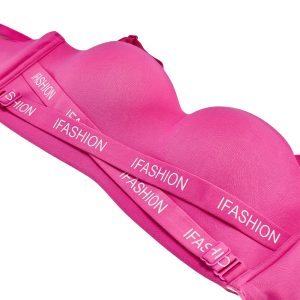
Close-up construction and material details for training bra.
Additional BrasFactory guidance: Contact Lifan Bras – OEM Bra Manufacturer.
Simple Cup Construction
For training bra development, simple cup construction should be defined as a measurable product requirement. The brand and factory should agree on the intended result, which pattern pieces, materials or components influence it, and how it will be checked during sampling. This creates a clearer path from concept to an approved production standard.
During sample review, the current version should be compared with the approved target on the body and against the written specification. Changes that affect fit, measurements, material behavior, support or appearance should be recorded. Production-intent materials are important because stretch, recovery, foam density, lace stability and elastic tension can all change the final result.
Fabric Selection
For training bra development, fabric selection should be defined as a measurable product requirement. The brand and factory should agree on the intended result, which pattern pieces, materials or components influence it, and how it will be checked during sampling. This creates a clearer path from concept to an approved production standard.
During sample review, the current version should be compared with the approved target on the body and against the written specification. Changes that affect fit, measurements, material behavior, support or appearance should be recorded. Production-intent materials are important because stretch, recovery, foam density, lace stability and elastic tension can all change the final result.
Size Architecture
For training bra development, size architecture should be defined as a measurable product requirement. The brand and factory should agree on the intended result, which pattern pieces, materials or components influence it, and how it will be checked during sampling. This creates a clearer path from concept to an approved production standard.
During sample review, the current version should be compared with the approved target on the body and against the written specification. Changes that affect fit, measurements, material behavior, support or appearance should be recorded. Production-intent materials are important because stretch, recovery, foam density, lace stability and elastic tension can all change the final result.
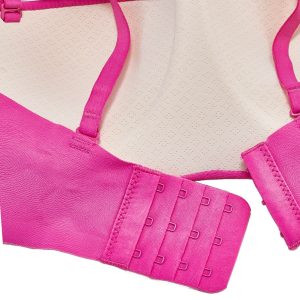
Technical quality inspection for training bra production.
Related manufacturing information: Home.
Label Comfort
For training bra development, label comfort should be defined as a measurable product requirement. The brand and factory should agree on the intended result, which pattern pieces, materials or components influence it, and how it will be checked during sampling. This creates a clearer path from concept to an approved production standard.
During sample review, the current version should be compared with the approved target on the body and against the written specification. Changes that affect fit, measurements, material behavior, support or appearance should be recorded. Production-intent materials are important because stretch, recovery, foam density, lace stability and elastic tension can all change the final result.
Bulk Qc
For training bra development, bulk QC should be defined as a measurable product requirement. The brand and factory should agree on the intended result, which pattern pieces, materials or components influence it, and how it will be checked during sampling. This creates a clearer path from concept to an approved production standard.
During sample review, the current version should be compared with the approved target on the body and against the written specification. Changes that affect fit, measurements, material behavior, support or appearance should be recorded. Production-intent materials are important because stretch, recovery, foam density, lace stability and elastic tension can all change the final result.
Sampling and Wear Testing
For training bra development, fitting should evaluate more than static appearance. The wearer should move, reach, sit and bend so the team can observe band stability, strap behavior, cup containment and pressure points. When the style depends on special support or access features, those functions should also be tested repeatedly before final approval.
After the main fit is approved, production-intent materials should be used in a final confirmation sample. This helps the brand verify that stretch, recovery, finishing and component behavior match the conditions expected in bulk production.
Commercial Planning Before Bulk Production
Before materials are released for bulk, the brand should confirm the final size breakdown, colors, labels, packaging, carton requirements and order quantity. A controlled specification should record approved measurements, components, artwork and packing instructions so purchasing, sewing and quality teams are working from the same version.
External Reference
Brands can also review U.S. Consumer Product Safety Commission when defining relevant material, safety, labeling or testing requirements for the target market.
Working With BrasFactory
BrasFactory supports OEM and private-label bra development from our factory in Puning, Guangdong. Projects can begin with a physical reference sample, technical specification or clear design brief and proceed through sampling, fitting, material approval and controlled bulk production.
More BrasFactory resources: Shop and Best Fabrics for Push-Up Bras: How to Choose the Right Material.
Frequently Asked Questions
Can a training bra style be customized for a private label brand?
Yes. Construction, materials, color, branding and packaging can be developed around a clear product brief and target market.
Should the final fit sample use production materials?
Yes. Material stretch, recovery, thickness and component behavior can affect fit, so the final approval should represent bulk production as closely as practical.
Can a reference sample be used to start development?
Yes. A physical reference can communicate fit, proportions and construction. Requested changes should be documented so the new specification is clear.