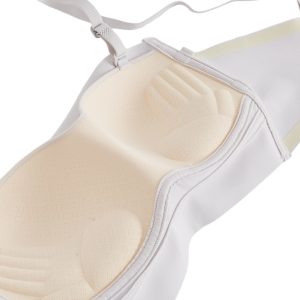
Private Label Sports Bra Manufacturing Guide for Growing Brands
The global activewear market continues to grow rapidly, creating significant opportunities for lingerie and apparel brands.
Among all activewear products, sports bras remain one of the fastest-growing categories because consumers increasingly prioritize comfort, support, and performance.
Private label sports bra manufacturing allows brands to launch unique collections under their own brand name without investing in their own production facilities.
This guide explains the complete private label sports bra manufacturing process and how brands can successfully develop high-quality products.
What Is Private Label Sports Bra Manufacturing?
Private label sports bra manufacturing allows brands to sell sports bras under their own brand while outsourcing production to specialized manufacturers.
Depending on the supplier, brands can customize:
- Fabric selection
- Logo placement
- Labels
- Packaging
- Colors
- Support structures
- Size ranges
This approach enables businesses to build a recognizable brand while leveraging professional manufacturing expertise.
Why Sports Bras Are a Strong Product Category
Sports bras continue gaining popularity because they serve both athletic and lifestyle markets.
Benefits include:
Growing Consumer Demand
Consumers increasingly wear sports bras for:
- Fitness activities
- Yoga
- Running
- Everyday comfort
Higher Average Selling Prices
Premium sports bras often achieve higher retail prices than standard bras.
Repeat Purchase Potential
Consumers frequently purchase multiple sports bras for different activities.
Types of Sports Bras
Before development begins, brands should understand the major categories.
Low-Impact Sports Bras
Suitable for:
- Yoga
- Pilates
- Walking
Focus on comfort and flexibility.
Medium-Impact Sports Bras
Suitable for:
- Cycling
- Strength training
- General fitness
Balance comfort and support.
High-Impact Sports Bras
Suitable for:
- Running
- HIIT
- Competitive sports
Require advanced support systems and performance materials.
Product Development Process
Market Research
Successful brands begin by studying:
- Competitors
- Target customers
- Pricing strategies
- Product gaps
Understanding customer needs improves product positioning.
Product Specification
Brands should define:
- Support level
- Fabric requirements
- Size range
- Branding details
- Retail price targets
Tech Pack Creation
A detailed tech pack helps manufacturers understand product requirements accurately.
Related reading:
Choosing Materials for Sports Bras
Material selection directly affects product performance.
Nylon-Spandex Blends
Commonly used because of:
- Stretch
- Durability
- Recovery performance
Polyester-Spandex Blends
Offer strong moisture management.
Power Mesh
Provides additional support and ventilation.
Performance Elastics
Improve stability during movement.
Related reading:
Understanding MOQ Requirements
MOQ varies depending on:
- Fabric complexity
- Number of colors
- Custom trims
- Printing requirements
Typical ranges include:
| Product Type | MOQ |
|---|---|
| Basic Sports Bra | 300-500 pcs |
| Custom Sports Bra | 500-1000 pcs |
| Fully Customized Collection | 1000+ pcs |
Related reading:
Sports Bra Sampling Process
Sampling allows brands to verify:
- Fit
- Comfort
- Support
- Appearance
- Construction quality
Several revisions are often required before production approval.
Related reading:
- Lingerie Sampling Process: From Design to Production Approval
Production and Quality Control
Once samples are approved, manufacturers begin production.
Important quality checkpoints include:
Fabric Inspection
Raw materials should be inspected before cutting.
In-Line Inspection
Quality teams monitor production continuously.
Final Inspection
Finished products are reviewed before shipment.
Related reading:
Common Cost Factors
Sports bra pricing depends on:
Materials
Performance fabrics generally cost more.
Construction Complexity
High-impact products require additional support components.
Order Quantity
Larger orders reduce unit costs.
Packaging
Custom packaging increases production expenses.
Related reading:
How to Choose a Sports Bra Manufacturer
Before selecting a supplier, evaluate:
Product Experience
Review previous sports bra projects.
Development Capability
Strong sampling departments improve results.
Production Capacity
Manufacturers should support future growth.
Quality Systems
Reliable inspection procedures are essential.
Communication
Fast and transparent communication reduces development risks.
Related reading:
Common Mistakes Brands Make
Avoid:
- Choosing suppliers based only on price
- Skipping fit testing
- Ignoring material quality
- Launching too many styles initially
- Underestimating development timelines
These mistakes often increase costs and delay product launches.
FAQ
What is private label sports bra manufacturing?
It is a manufacturing model where products are produced by a factory and sold under the brand’s own label.
What is the typical MOQ?
Most suppliers require between 300 and 1000 pieces depending on customization requirements.
How long does development take?
Most projects require 30-60 days from development to production.
Can startups launch private label sports bras?
Yes. Many manufacturers now offer lower MOQ options suitable for emerging brands.
Conclusion
Private label sports bra manufacturing provides brands with an efficient way to enter the growing activewear market.
By choosing the right manufacturer, developing clear product specifications, and implementing strong quality control processes, brands can launch successful sports bra collections while building long-term customer loyalty.