How Wireless Bras Are Made: From Design to Production
Executive Summary
Understanding how wireless bras are made helps explain why some products provide excellent comfort and support while others lose their shape after only a few wears.
Unlike traditional underwire bras, wireless bras depend on engineered fabrics, molded cups, elastic recovery, and precision pattern making rather than metal support. Every stage of the manufacturing process influences fit, durability, and long-term performance.
This guide walks through the complete production process, from product development to final quality inspection, helping brands and buyers better understand modern wireless bra manufacturing.
⭐ At a Glance
Production Stage
Purpose
Product Design
Define style and function
Pattern Development
Ensure consistent sizing
Material Selection
Balance comfort and support
Cup Forming
Create natural shaping
Fabric Cutting
Improve production accuracy
Sewing & Assembly
Build the finished bra
Quality Inspection
Verify fit and workmanship
Packaging
Prepare products for shipment
Expert Insight: In wireless bras, long-term support depends more on pattern engineering and elastic recovery than on thicker fabrics.
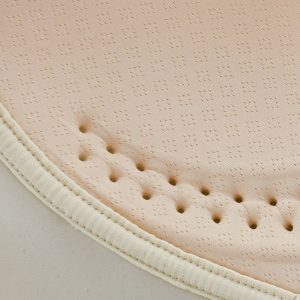
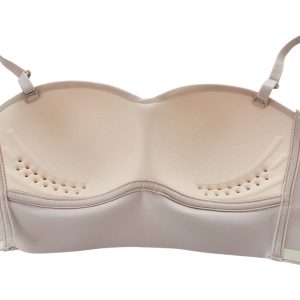
How wireless bras are made from product design and pattern development to sewing, quality inspection, and packaging
Industry Insight
As consumer demand shifts toward comfort-focused lingerie, manufacturers continue to invest in seamless construction, lightweight materials, and advanced pattern engineering.
Modern wireless bras are designed to deliver natural support without relying on metal underwires, making production accuracy more important than ever.
Step 1: Product Design
Every successful wireless bra begins with a clear product concept.
During this stage, designers define:
Target customer
Intended use
Support level
Cup construction
Strap design
Fabric selection
Size range
Color options
A clear design brief helps reduce development time and improves production consistency.
Step 2: Pattern Development
Pattern development determines how the bra fits across different sizes.
Technical designers create patterns for:
Cups
Side wings
Underband
Shoulder straps
Center bridge
Back closure
Proper grading ensures that support remains consistent throughout the size range.
Step 3: Material Selection
Wireless bras rely heavily on material performance.
Common materials include:
Microfiber
Nylon + Spandex
Modal
Stretch lace
Mesh
Elastic bands
Foam cups
The right material combination provides flexibility, breathability, and shape retention.
Manufacturing Flow
Product Design
        │
Pattern Development
        │
Material Selection
        │
Cup Forming
        │
Fabric Cutting
        │
Sewing & Assembly
        │
Quality Inspection
        │
Packaging
        │
Shipment
Step 4: Cup Forming
Unlike underwire bras, wireless bras rely on molded or engineered cups to create shape and support.
Depending on the product design, manufacturers may use:
Heat-molded foam cups
Seamless knitted cups
Light padding
Removable pads
The goal is to provide natural shaping while maintaining flexibility and comfort.
Step 5: Fabric Cutting
After the materials are approved, all fabric components are cut according to the production patterns.
Computerized cutting systems are widely used to improve precision and reduce material waste.
Typical components include:
Cup fabric
Lining
Side panels
Underband
Shoulder straps
Hook-and-eye closures
Accurate cutting helps ensure a consistent fit during assembly.
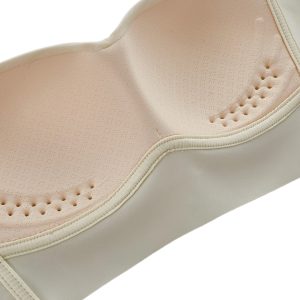
How wireless bras are made from product design and pattern development to sewing, quality inspection, and packaging
Step 6: Sewing and Assembly
Once all components have been prepared, the wireless bra enters the sewing and assembly stage. This is where individual parts are joined together to create the finished product.
Unlike underwire bras, wireless bras require precise control of fabric tension and seam placement to maintain support without relying on rigid structures.
A typical assembly process includes:
Attach the cup lining
Join the cups to the center bridge
Sew the side wings
Attach the elastic underband
Install shoulder straps
Sew the hook-and-eye closure
Trim loose threads
Perform an initial quality check
Every operation directly affects fit, comfort, and durability.
Step 7: Quality Inspection
Quality inspection takes place throughout production rather than only at the end.
Professional manufacturers usually inspect products at multiple checkpoints.
Quality Control Checklist
Inspection Stage
Main Focus
Raw Materials
Fabric weight, stretch, color consistency
Cup Forming
Shape accuracy and symmetry
Sewing
Stitch quality and seam alignment
Elastic Recovery
Band stretch and recovery performance
Finished Product
Appearance, measurements, labeling
Packaging
Correct accessories and carton information
A multi-stage inspection process helps reduce defects before shipment.
Step 8: Fit Testing
Before approving bulk production, sample bras should be tested on fit models.
Fit testing evaluates:
Cup shape
Underband support
Strap adjustment
Side support
Comfort during movement
Overall balance
Testing several body sizes rather than only one sample size improves grading accuracy and helps ensure a more consistent fit across the collection.
Why Pattern Engineering Matters
One of the biggest differences between wireless and underwire bras is how support is achieved.
Instead of depending on a metal frame, wireless bras rely on accurate pattern engineering.
Important design elements include:
Underband width
Side panel height
Cup depth
Strap position
Wing construction
Elastic recovery
A well-developed pattern often has a greater impact on comfort than thicker fabrics or additional padding.
Product Development Tips
When developing a wireless bra collection, many successful brands follow a step-by-step approach rather than designing a single product.
Collection
Recommended Features
Essential
Molded cups, microfiber fabrics
Everyday Comfort
Wide underband, seamless construction
Premium
Modal lining, bonded finishes
Active
High-recovery fabrics, breathable mesh
Lounge
Soft modal, removable pads
Offering multiple collections allows brands to address different customer needs while maintaining a consistent product identity.
Common Manufacturing Mistakes
Wireless bras may appear simple, but several common mistakes can affect product performance.
Choosing Fabric with Poor Recovery
Soft fabrics that fail to recover after stretching can reduce support and shorten product life.
Ignoring Underband Design
The underband provides most of the support in a wireless bra. A weak or narrow band often leads to poor fit and customer dissatisfaction.
Skipping Fit Testing
Without wear trials, small pattern issues may only become apparent after mass production, increasing returns and product revisions.
Overusing Padding
Adding thicker padding does not automatically improve support. Proper cup engineering and balanced construction are usually more effective.
Buyer’s Checklist
Before approving production, confirm the following:
✔ Product specifications finalized
✔ Pattern grading completed
✔ Fabric performance tested
✔ Elastic recovery verified
✔ Cup shape approved
✔ Fit samples confirmed
✔ Packaging reviewed
✔ Quality standards documented
Expert Insight
Wireless bra performance depends on balance rather than individual components.
Increasing fabric thickness or adding more padding will not necessarily improve support. In most cases, the combination of pattern engineering, elastic recovery, and underband construction has a much greater influence on comfort and long-term performance.
Production Timeline
Developing a wireless bra involves multiple stages, from concept to mass production. The timeline varies depending on product complexity, material sourcing, and sample revisions.
Production Stage
Typical Timeline
Product Design
2–5 Days
Pattern Development
5–10 Days
Material Sourcing
3–7 Days
Sample Production
7–15 Days
Sample Revision
5–10 Days
Bulk Production
25–45 Days
Final Inspection
1–3 Days
Shipment
Depends on destination
Planning sufficient development time helps reduce production delays and improves product quality.
Decision Guide
Is Your Wireless Bra Ready for Production?
Product Concept
        │
        ▼
Pattern Approved
        │
        ▼
Fabric Tested
        │
        ▼
Cup Structure Confirmed
        │
        ▼
Fit Sample Approved
        │
        ▼
Quality Standards Confirmed
        │
        ▼
Bulk Production
Following each step helps improve consistency and reduces the risk of costly revisions.
Frequently Asked Questions
How are wireless bras made without underwires?
Wireless bras use molded cups, reinforced side panels, elastic underbands, and carefully engineered patterns instead of metal underwires. These elements work together to provide support and maintain the bra’s shape.
What fabrics are commonly used in wireless bras?
Common materials include microfiber, nylon-spandex blends, modal, mesh, stretch lace, and high-recovery elastic. The exact combination depends on the intended product category and support level.
Why is the underband so important?
The underband provides a significant portion of the support in a wireless bra. A properly designed underband helps distribute weight evenly and keeps the bra stable during wear.
How long does it take to manufacture a wireless bra?
From product design to finished production, the process typically takes 6–10 weeks, depending on the number of sample revisions, material availability, and production volume.
What should brands test before bulk production?
Brands should verify:
Fit and grading
Fabric recovery
Cup consistency
Stitch quality
Wash performance
Packaging accuracy
Completing these checks before mass production helps reduce returns and improve customer satisfaction.
Conclusion
Understanding how wireless bras are made highlights the importance of engineering, materials, and quality control in creating a comfortable and supportive product.
Unlike traditional underwire bras, wireless bras depend on precise pattern development, high-performance fabrics, and carefully balanced construction. Every production stage—from design and material selection to fit testing and inspection—contributes to the final product’s comfort, durability, and performance.
For brands, investing in thoughtful product development and reliable manufacturing processes helps build collections that meet evolving consumer expectations while maintaining consistent quality.
How wireless bras are made from product design and pattern development to sewing, quality inspection, and packaging
Need OEM or Private Label Wireless Bra Manufacturing?
Developing your own wireless bra collection? BrasFactory offers OEM and private label manufacturing services, including product design, pattern development, material sourcing, sample making, quality control, and worldwide export support.