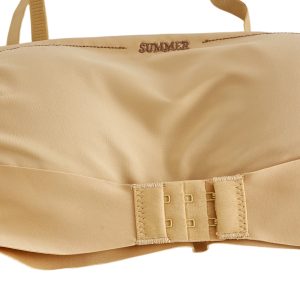
How Push-Up Bras Are Made: From Design to Production
Executive Summary
Have you ever wondered how push up bras are made? While they may look simple, a high-quality push-up bra is the result of careful engineering, material selection, precision cup molding, and strict quality control.
From the initial concept to bulk production, each stage influences comfort, support, durability, and overall fit. Understanding the manufacturing process helps lingerie brands develop better products and enables buyers to evaluate OEM suppliers more effectively.
In this guide, we explain each production step and highlight the key considerations for successful push-up bra development.
⭐ At a Glance
| Production Stage | Main Objective |
|---|---|
| Product Design | Define style and specifications |
| Pattern Making | Create accurate patterns |
| Material Selection | Choose suitable fabrics and trims |
| Cup Molding | Form the push-up cup shape |
| Cutting | Prepare production components |
| Sewing & Assembly | Assemble the bra |
| Quality Inspection | Check fit and workmanship |
| Packaging & Shipping | Prepare for delivery |
Quick Tip: Consistent cup molding and fit testing often have a greater impact on customer satisfaction than adding thicker padding.
Industry Insight
Today’s push-up bras are developed with a strong focus on comfort, lightweight construction, and natural shaping.
Many manufacturers now use computer-aided pattern development, precision cup molding, and advanced testing methods to improve consistency across different sizes.
As consumer expectations continue to rise, manufacturing quality has become a key factor in brand competitiveness.
Step 1: Product Design
Every push-up bra starts with a design concept.
Product developers define:
- Target customer
- Intended wearing occasion
- Support level
- Cup shape
- Padding type
- Fabric selection
- Color palette
- Size range
Design decisions made at this stage influence every step that follows.
Step 2: Pattern Development
After the design is approved, technical designers create production patterns.
Patterns determine:
- Cup dimensions
- Wing shape
- Strap placement
- Underband length
- Seam locations
- Grading for different sizes
Accurate pattern making is essential for consistent fit across the entire size range.
Step 3: Material Selection
The next step is selecting materials that match the product’s positioning.
Common materials include:
- Nylon + Spandex
- Microfiber
- Stretch Lace
- Mesh
- Memory Foam
- Elastic Bands
- Hook & Eye Closures
Each material contributes differently to comfort, support, durability, and appearance.
Manufacturing Flow
Product Design
        │
Pattern Development
        │
Material Selection
        │
Cup Molding
        │
Fabric Cutting
        │
Sewing & Assembly
        │
Quality Inspection
        │
Packaging
        │
Shipment
Step 4: Cup Molding
Cup molding is one of the most important stages in how push up bras are made. It determines the bra’s shape, support level, and overall wearing experience.
During this process, pre-cut foam cups are heated and pressed into specially designed molds. Different mold shapes create different lifting effects, from subtle enhancement to dramatic cleavage.
Key Factors
- Mold temperature
- Pressing pressure
- Molding time
- Foam density
- Cup geometry
Even small adjustments can affect the final fit and appearance of the bra.
Step 5: Fabric Cutting
Once the cups are prepared, the outer fabrics and lining materials are cut according to production patterns.
Modern factories often use computerized cutting equipment to improve accuracy and reduce material waste.
Typical components include:
- Cup fabric
- Cup lining
- Side wings
- Center bridge
- Shoulder straps
- Elastic bands
- Hook-and-eye closures
Precise cutting helps ensure consistent sizing and minimizes sewing errors.
Step 6: Sewing and Assembly
After all components are prepared, the bra is assembled in a specific production sequence.
Typical assembly includes:
- Attach cup lining
- Join cups to the bridge
- Sew side wings
- Attach elastic bands
- Install shoulder straps
- Sew hook-and-eye closure
- Final trimming
Each sewing operation requires careful quality control to ensure symmetry, durability, and comfort.
Quality Check During Production
Professional manufacturers inspect products at multiple stages rather than waiting until the end of production.
| Inspection Stage | Purpose |
|---|---|
| Incoming Materials | Verify fabric quality and specifications |
| Cup Molding | Check shape consistency |
| Sewing Process | Inspect stitching and alignment |
| Finished Product | Confirm appearance and dimensions |
| Packaging | Ensure correct labels and accessories |
Multi-stage inspection helps reduce defects and improves production consistency.
Step 7: Fit Testing
Before mass production begins, sample bras should be tested on fit models representing the target size range.
Fit testing evaluates:
- Cup volume
- Strap comfort
- Underband tension
- Lift performance
- Side support
- Overall comfort
Brands that invest in fit testing typically achieve lower return rates and higher customer satisfaction.
Step 8: Packaging and Shipment
After final inspection, products are prepared for shipment.
Packaging may include:
- Individual poly bags
- Hang tags
- Size labels
- Brand packaging
- Cartons
- Shipping marks
Proper packaging protects products during transportation and supports a consistent brand presentation.
Buyer Checklist
Before Approving Bulk Production
✔ Final sample approved
✔ Cup mold confirmed
✔ Fabric and trims verified
✔ Size grading completed
✔ Fit test passed
✔ Quality standards agreed
✔ Packaging approved
✔ Production schedule confirmed
Common Manufacturing Mistakes
Even experienced brands can encounter production issues if key details are overlooked.
Common mistakes include:
Skipping Sample Revisions
Approving the first sample without testing often leads to costly adjustments during bulk production.
Choosing Materials Before Finalizing Cup Design
Cup shape and fabric performance should be developed together. Changing one without reviewing the other may affect fit and support.
Ignoring Size Grading
A bra that fits perfectly in one size may not perform well across the entire size range without proper grading.
Focusing Only on Production Cost
Selecting the lowest-cost materials may reduce product quality, durability, and customer satisfaction over time.
Product Development Tips
Successful push-up bra collections usually begin with a clear product strategy rather than a single design.
Consider developing different product tiers such as:
| Collection | Features |
|---|---|
| Essential | Simple molded cups, nylon fabrics |
| Everyday Comfort | Microfiber, light push-up support |
| Premium | Memory foam, stretch lace |
| Fashion | Deep plunge, decorative details |
Offering multiple product levels helps brands reach a broader customer base while maintaining consistent quality.
How Brands Can Improve Push-Up Bra Production
Developing a successful push-up bra is not only about manufacturing efficiency but also about creating a product that customers enjoy wearing. Brands that invest in product development early often achieve better fit consistency, fewer production revisions, and higher customer satisfaction.
Here are several practical recommendations for product development teams.
Define Your Target Customer First
Before selecting fabrics or cup molds, clearly identify your target market.
| Target Customer | Recommended Product Features |
|---|---|
| Teen & Young Adults | Light push-up, soft microfiber, seamless finish |
| Everyday Consumers | Medium lift, molded cups, breathable fabrics |
| Fashion Brands | Plunge design, lace details, premium trims |
| Plus Size Collections | Full coverage, wider straps, reinforced wings |
| Luxury Collections | Memory foam cups, premium lace, customized packaging |
A clear product strategy reduces unnecessary sampling and helps streamline production.
Production Timeline
A typical OEM push-up bra development project follows this schedule.
| Production Stage | Typical Time |
|---|---|
| Design Discussion | 2–5 Days |
| Material Selection | 3–7 Days |
| Pattern Development | 5–10 Days |
| Sample Production | 7–15 Days |
| Sample Revision | 5–10 Days |
| Bulk Production | 25–45 Days |
| Final Inspection | 1–3 Days |
| Shipment | Depends on destination |
Actual lead times vary depending on order quantity, material availability, and seasonal demand.
Decision Guide
Is Your Push-Up Bra Ready for Mass Production?
Design Approved
        │
        ▼
Pattern Confirmed
        │
        ▼
Fabric Approved
        │
        ▼
Cup Mold Tested
        │
        ▼
Sample Fitted
        │
        ▼
Quality Standard Confirmed
        │
        ▼
Bulk Production
Skipping any of these steps may increase the risk of quality issues or production delays.
Frequently Asked Questions
How are push-up bra cups molded?
Most push-up bra cups are created by heating foam materials and pressing them into specially designed molds. The mold shape determines the final cup profile and lifting effect.
What materials are commonly used in push-up bras?
Most push-up bras combine nylon, spandex, microfiber, foam, mesh, lace, and elastic components to balance comfort, support, and durability.
Why is sample development important?
Sampling allows designers and buyers to verify fit, comfort, appearance, and construction before committing to bulk production, reducing costly revisions later.
How long does it take to manufacture a push-up bra?
From initial design to finished production, the process typically takes 6–10 weeks, depending on the complexity of the product and the number of sample revisions.
What is the most important quality control step?
Fit testing and cup consistency are among the most critical quality checks because they directly affect comfort, appearance, and customer satisfaction.
Conclusion
Understanding how push up bras are made helps both consumers and brands appreciate the engineering behind a well-designed product.
From concept development and pattern making to cup molding, sewing, quality inspection, and packaging, every stage contributes to the final fit and performance of the bra.
For brands, investing time in material selection, fit testing, and production planning leads to higher-quality products, smoother manufacturing, and stronger customer loyalty.
Related Reading
Continue Reading
- What Is a Push-Up Bra?
https://www.brasfactory.com/what-is-a-push-up-bra/ - Push Up Bra Cup Types Explained
https://www.brasfactory.com/push-up-bra-cup-types/ - Push-Up Bra vs T-Shirt Bra
https://www.brasfactory.com/push-up-bra-vs-t-shirt-bra/ - Best Fabrics for Push-Up Bras
https://www.brasfactory.com/best-fabrics-for-push-up-bras/ - Seamless Push-Up Bra Manufacturer
https://www.brasfactory.com/seamless-push-up-bra-manufacturer/ - OEM Seamless Bras
https://www.brasfactory.com/oem-seamless-bras/
Industry Resources
- OEKO-TEX® Standard 100
https://www.oeko-tex.com/en/our-standards/oeko-tex-standard-100 - Textile Exchange
https://textileexchange.org/ - Grand View Research
https://www.grandviewresearch.com/
Need OEM or Private Label Bra Manufacturing?
If you’re developing a new push-up bra collection, BrasFactory provides OEM and private label manufacturing services covering product development, pattern making, sample production, fabric sourcing, quality control, and global export support.
👉 Contact Us
https://www.brasfactory.com/contact/