How Much Does It Cost to Manufacture Bras in 2026?
Bra manufacturing cost depends on product design, materials, order quantity, sampling requirements and quality standards.
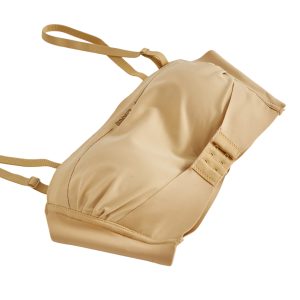
Two bras that look similar in a photo can have very different production costs. Cup construction, foam density, elastic quality, lace consumption, size range, packaging and inspection requirements all affect the final quotation.
This guide explains the main cost factors so lingerie brands can compare supplier quotations more accurately and avoid unexpected expenses before bulk production.
The total cost of manufacturing bras depends on several factors, including materials, labor, design complexity, order quantity, and production location. Whether you are launching a private label lingerie brand or expanding an existing collection, knowing these cost drivers can help you make better sourcing decisions.
In this guide, we explain the main factors that influence bra manufacturing costs in 2026.
Key Factors That Affect Bra Manufacturing Cost
No two bra styles cost exactly the same to produce. Several elements determine the final manufacturing price.
The most important factors include:
- Fabric selection
- Design complexity
- Hardware components
- Production quantity
- Labor requirements
- Packaging specifications
- Sampling and development costs
Understanding each factor allows brands to estimate costs more accurately.
Fabric and Material Costs
Materials often account for a significant portion of bra production costs.
Common materials include:
- Lace
- Mesh
- Microfiber
- Cotton blends
- Nylon-spandex fabrics
- Power mesh
- Elastic bands
Premium lace and specialty fabrics generally increase manufacturing costs compared with standard materials.
For example, a seamless bra using technical knitting processes may require different materials than a lace underwire bra, resulting in different cost structures.
Hardware and Trim Components
Bras contain multiple components beyond fabric.
Typical trims include:
- Underwires
- Hooks and eyes
- Rings and sliders
- Elastic straps
- Foam cups
- Decorative accessories
Higher-quality hardware often improves durability and customer satisfaction but increases production costs.
Custom-colored hardware may also require additional sourcing and setup fees.
Design Complexity
The complexity of a bra design directly affects labor costs.
Simple styles such as:
- Wireless bras
- Bralettes
- Sports bras
typically require fewer sewing operations.
More complex products such as:
- Push-up bras
- Multi-panel bras
- Lace overlay bras
- Full support bras
require additional construction steps and quality control processes.
As complexity increases, production time and costs generally increase as well.
MOQ and Production Volume
Minimum Order Quantity (MOQ) significantly impacts unit cost.
Smaller production runs usually have higher costs per piece because fixed expenses are distributed across fewer units.
Typical production scenarios include:
| Order Quantity | Cost Efficiency |
|---|---|
| 100–300 pcs | Higher unit cost |
| 500–1000 pcs | Moderate cost |
| 2000+ pcs | Lower unit cost |
Larger orders often receive better pricing due to manufacturing efficiencies and bulk material purchasing.
Sampling and Development Costs
Before mass production begins, manufacturers typically create samples for evaluation and approval.
Sampling costs may include:
- Pattern development
- Technical design review
- Material sourcing
- Prototype creation
- Fit adjustments
Brands should budget for product development separately from bulk production costs.
Well-developed samples help avoid expensive manufacturing errors later.
Labor Costs
Labor remains one of the largest cost components in bra manufacturing.
Bras require:
- Precise cutting
- Multiple sewing operations
- Fit-sensitive assembly
- Quality inspections
Manufacturing locations with experienced lingerie production teams often provide better consistency and efficiency.
Choosing a manufacturer based solely on the lowest labor cost may result in quality issues and higher long-term expenses.
Packaging Costs
Packaging requirements also influence total manufacturing costs.
Common options include:
- Poly bags
- Printed boxes
- Hang tags
- Barcode labels
- Retail-ready packaging
Custom branding generally increases packaging expenses but can improve product presentation and customer experience.
Shipping and Logistics
Production cost is only part of the overall sourcing budget.
Brands should also consider:
- International shipping
- Customs duties
- Warehousing
- Freight surcharges
These expenses can vary significantly depending on destination markets and shipping methods.
How Brands Can Reduce Manufacturing Costs
Several strategies help optimize production costs without sacrificing quality.
Choose Appropriate MOQs
Larger production quantities generally reduce unit costs.
Simplify Product Design
Reducing unnecessary construction complexity can improve manufacturing efficiency.
Standardize Materials
Using commonly available fabrics and trims helps lower sourcing expenses.
Plan Production Early
Advanced planning allows manufacturers to schedule production efficiently and avoid rush fees.
Work with Experienced Manufacturers
Experienced OEM or private label lingerie manufacturers can often recommend cost-saving alternatives while maintaining product quality.
Cost vs Quality: Finding the Right Balance
The lowest manufacturing price is not always the best business decision.
Brands should evaluate:
- Product quality
- Production consistency
- Factory expertise
- Communication efficiency
- Delivery reliability
A slightly higher manufacturing cost may result in fewer defects, stronger customer satisfaction, and better long-term profitability.
Manufacturing cost is only one factor when selecting a supplier. Before placing your first OEM order, you should also understand how to evaluate a bra manufacturer to ensure quality, reliability, and long-term cooperation.
Conclusion
Bra manufacturing cost in 2026 depends on multiple factors, including materials, labor, design complexity, MOQ, packaging, and logistics.
By understanding these cost drivers and planning production carefully, lingerie brands can improve margins while maintaining product quality.
Working with an experienced OEM or private label lingerie manufacturer can help businesses control costs and build a successful product line for long-term growth.