
A bra pattern making should turn a commercial product idea into a repeatable manufacturing specification. For lingerie brands, development needs to connect fit, materials, construction, size range, MOQ, branding and quality control so the approved sample can be reproduced consistently.
This guide focuses on bra pattern making from a B2B sourcing and product-development perspective. Before sampling, the brand should define its customer, target price, sales market, quantity, size range and the product characteristics that are most important to approval.
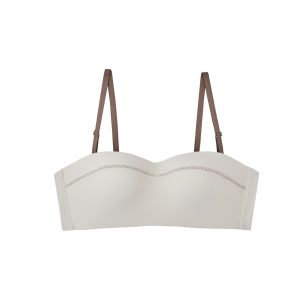
Professional bra pattern making development and factory sample review.
Related BrasFactory resources: About and Blog.
Base Pattern
For bra pattern making, base pattern should be defined before bulk production rather than left as a subjective expectation. The brand and factory should agree on the target result, the materials or construction details that influence it, and the way it will be evaluated during sampling. This makes technical comments easier to execute and creates a clearer approval trail.
Production-intent materials should be introduced before final approval because stretch, recovery, thickness, foam behavior, lace stability and elastic tension can change the finished fit. Any approved revision should be recorded in the current specification so purchasing, production and quality teams work from the same standard.
Cup Geometry
For bra pattern making, cup geometry should be defined before bulk production rather than left as a subjective expectation. The brand and factory should agree on the target result, the materials or construction details that influence it, and the way it will be evaluated during sampling. This makes technical comments easier to execute and creates a clearer approval trail.
Production-intent materials should be introduced before final approval because stretch, recovery, thickness, foam behavior, lace stability and elastic tension can change the finished fit. Any approved revision should be recorded in the current specification so purchasing, production and quality teams work from the same standard.
Band Balance
For bra pattern making, band balance should be defined before bulk production rather than left as a subjective expectation. The brand and factory should agree on the target result, the materials or construction details that influence it, and the way it will be evaluated during sampling. This makes technical comments easier to execute and creates a clearer approval trail.
Production-intent materials should be introduced before final approval because stretch, recovery, thickness, foam behavior, lace stability and elastic tension can change the finished fit. Any approved revision should be recorded in the current specification so purchasing, production and quality teams work from the same standard.
Technical construction and material details for bra pattern making.
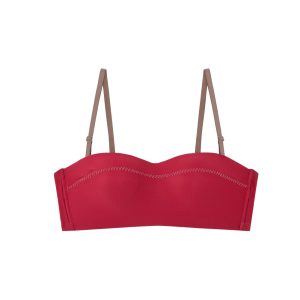
bra pattern making construction details
Additional BrasFactory guidance: Contact Lifan Bras – OEM Bra Manufacturer.
Seam Placement
For bra pattern making, seam placement should be defined before bulk production rather than left as a subjective expectation. The brand and factory should agree on the target result, the materials or construction details that influence it, and the way it will be evaluated during sampling. This makes technical comments easier to execute and creates a clearer approval trail.
Production-intent materials should be introduced before final approval because stretch, recovery, thickness, foam behavior, lace stability and elastic tension can change the finished fit. Any approved revision should be recorded in the current specification so purchasing, production and quality teams work from the same standard.
Material Stretch
For bra pattern making, material stretch should be defined before bulk production rather than left as a subjective expectation. The brand and factory should agree on the target result, the materials or construction details that influence it, and the way it will be evaluated during sampling. This makes technical comments easier to execute and creates a clearer approval trail.
Production-intent materials should be introduced before final approval because stretch,
recovery, thickness, foam behavior, lace stability and elastic tension can change the finished fit. Any approved revision should be recorded in the current specification so purchasing, production and quality teams work from the same standard.
Fit Correction
For bra pattern making, fit correction should be defined before bulk production rather than left as a subjective expectation. The brand and factory should agree on the target result, the materials or construction details that influence it, and the way it will be evaluated during sampling. This makes technical comments easier to execute and creates a clearer approval trail.
Production-intent materials should be introduced before final approval because stretch, recovery, thickness, foam behavior, lace stability and elastic tension can change the finished fit. Any approved revision should be recorded in the current specification so purchasing, production and quality teams work from the same standard.
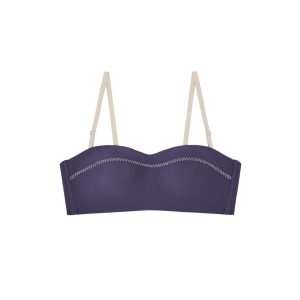
Quality inspection for bra pattern making production.
Related manufacturing information: Home.
Grading Preparation
For bra pattern making, grading preparation should be defined before bulk production rather than left as a subjective expectation. The brand and factory should agree on the target result, the materials or construction details that influence it, and the way it will be evaluated during sampling. This makes technical comments easier to execute and creates a clearer approval trail.
Production-intent materials should be introduced before final approval because stretch, recovery, thickness, foam behavior, lace stability and elastic tension can change the finished fit. Any approved revision should be recorded in the current specification so purchasing, production and quality teams work from the same standard.
Production Pattern Control
For bra pattern making, production pattern control should be defined before bulk production rather than left as a subjective expectation. The brand and factory should agree on the target result, the materials or construction details that influence it, and the way it will be evaluated during sampling. This makes technical comments easier to execute and creates a clearer approval trail.
Production-intent materials should be introduced before final approval because stretch, recovery, thickness, foam behavior, lace stability and elastic tension can change the finished fit. Any approved revision should be recorded in the current specification so purchasing, production and quality teams work from the same standard.
Sampling, Approval and Commercial Planning
Sampling should answer specific questions about fit, construction, material behavior and production feasibility. Consolidated comments reduce unnecessary revisions. Before bulk release, the brand should confirm the approved sample, measurements, materials, colors, labels, packaging, size breakdown and final quantity.
A controlled specification is especially important for repeat orders. It provides a reference for checking substitutions, measurements and workmanship and helps prevent gradual changes in the product over time.
External Reference
Brands can review ISO standards information when defining relevant textile, quality, labeling or market requirements.
Working With BrasFactory
BrasFactory supports OEM and private-label bra development from our factory in Puning, Guangdong. Projects can begin with a reference sample, technical specification or design concept and proceed through sampling, fitting, material approval and controlled bulk production.
More BrasFactory resources: Shop and Best Fabrics for Push-Up Bras: How to Choose the Right Material.
Frequently Asked Questions
Can bra pattern making development start from a reference sample?
Yes. A reference sample can communicate fit, proportions and construction. Requested changes should be documented so the new product specification is clear.
Can private-label branding be included?
Yes. Labels, hangtags and packaging can be incorporated when artwork, dimensions, placement and target-market requirements are confirmed.
Should the final sample use production-intent materials?
Yes. Material behavior can affect measurements, support and appearance, so final approval should represent bulk production as closely as practical.
Production Review 1
Early production pieces should be compared with the approved sample and written specification before large quantities are completed. Measurements, component placement, elastic application, symmetry and visible workmanship can be checked while corrective action is still practical. Repeated variation should be treated as a process issue rather than accepted as isolated defects.
For future orders, the same records create a useful baseline. If a material, component or construction method changes, the effect should be reviewed and the approved revision documented so later production teams know which version is current.
Production Review 2
Early production pieces should be compared with the approved sample and written specification before large quantities are completed. Measurements, component placement, elastic application, symmetry and visible workmanship can be checked while corrective action is still practical. Repeated variation should be treated as a process issue rather than accepted as isolated defects.
For future orders, the same records create a useful baseline. If a material, component or construction method changes, the effect should be reviewed and the approved revision documented so later production teams know which version is current.