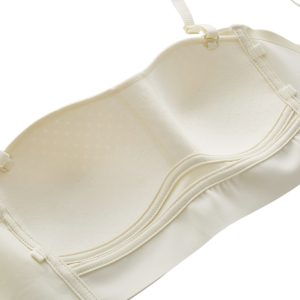
Bra Factory Audit Checklist: 15 Things Every Brand Should Verify Before Production
Choosing a lingerie manufacturer is one of the most important decisions a brand can make. A factory audit helps reduce risk, improve product quality, and ensure reliable production performance.
Before placing a purchase order, brands should evaluate a factory’s capabilities, quality systems, and overall business stability.
This bra factory audit checklist covers the most important areas every buyer should review before starting production.
Why a Bra Factory Audit Is Important
A factory audit helps brands:
- Verify manufacturing capabilities
- Reduce production risks
- Improve product consistency
- Protect intellectual property
- Ensure compliance requirements
Many sourcing problems can be avoided through proper factory evaluation.
1. Verify Business Legitimacy
Check:
- Business license
- Company registration
- Export licenses
- Tax registration
Legitimate manufacturers should provide documentation when requested.
2. Review Manufacturing Experience
Ask:
- How many years has the factory operated?
- What bra categories do they specialize in?
- Do they manufacture for international brands?
Experience often correlates with production stability.
3. Evaluate Product Specialization
Some factories specialize in:
- Sports bras
- Seamless bras
- Lace lingerie
- Wire-free bras
- Nursing bras
Specialized expertise often produces better results.
4. Inspect Production Capacity
Review:
- Monthly output
- Production lines
- Number of sewing operators
- Equipment availability
Factories should have sufficient capacity for growth.
5. Examine Pattern Development Capability
Strong development teams provide:
- Pattern making
- Sample development
- Size grading
- Technical support
Development capability is critical for OEM projects.
6. Review Sample Quality
Evaluate:
- Stitch consistency
- Construction quality
- Fit accuracy
- Material selection
Samples reveal the factory’s true capabilities.
7. Assess Material Sourcing Ability
Verify:
- Fabric suppliers
- Lace suppliers
- Trim sourcing
- Material traceability
Reliable supply chains reduce delays.
8. Review Quality Control Procedures
Ask about:
- Incoming inspection
- Inline inspection
- Final inspection
- Defect reporting
Quality systems should be documented.
9. Check Defect Rates
Important metrics include:
- Rework percentage
- Customer claims
- Return rates
- Inspection records
Low defect rates indicate strong management.
10. Verify Compliance Certifications
Common certifications:
- BSCI
- WRAP
- ISO 9001
- OEKO-TEX
Certification requirements vary by market.
11. Inspect Production Equipment
Review:
- Sewing machines
- Cutting machines
- Molding equipment
- Inspection tools
Modern equipment improves efficiency.
12. Evaluate Communication Efficiency
Strong communication reduces:
- Sampling delays
- Production errors
- Shipping problems
Responsiveness is often overlooked during supplier selection.
13. Review Lead Times
Ask for:
- Sample lead time
- Production lead time
- Material procurement timelines
Reliable scheduling is essential.
14. Verify Financial Stability
Warning signs include:
- Frequent ownership changes
- Large staff turnover
- Inconsistent production schedules
Financially stable factories are safer partners.
15. Request Customer References
Ask for:
- Existing customers
- Case studies
- Product examples
References help validate performance claims.
Common Red Flags During Factory Audits
Potential concerns include:
- Refusal to show production areas
- Poor sample quality
- Lack of certifications
- Inconsistent communication
- Unrealistically low pricing
These warning signs deserve careful investigation.
Bra Factory Audit Scorecard Example
| Area | Score |
|---|---|
| Experience | 9/10 |
| Product Expertise | 8/10 |
| Sample Quality | 9/10 |
| QC System | 8/10 |
| Compliance | 9/10 |
| Communication | 10/10 |
A structured scorecard improves supplier comparison.
FAQ
How often should brands audit factories?
Most brands conduct audits before initial cooperation and periodically afterward.
Can virtual factory audits work?
Virtual audits help, but on-site audits provide better visibility.
What is the most important audit area?
Quality control systems and production capabilities are typically the highest priorities.
Should startups perform factory audits?
Yes. Even small brands benefit from basic supplier verification.
How to Conduct an On-Site Bra Factory Audit
Whenever possible, brands should perform an on-site audit before placing large production orders.
An in-person visit provides valuable insights that cannot always be obtained through online meetings or factory presentations.
During an on-site audit, buyers should observe:
- Production workflow
- Employee working conditions
- Material storage practices
- Quality inspection procedures
- Equipment maintenance standards
A professional manufacturing environment often reflects stronger management systems and better production consistency.
Factories that maintain clean, organized facilities generally experience fewer quality issues and production delays.
How to Conduct a Virtual Factory Audit
For international buyers who cannot travel, virtual factory audits have become increasingly common.
A virtual audit may include:
- Live video factory tours
- Production line demonstrations
- Sample reviews
- Quality control process presentations
- Management interviews
Although virtual audits cannot replace physical inspections completely, they can still provide useful information during supplier selection.
Brands should request real-time video rather than pre-recorded footage whenever possible.
Questions Every Buyer Should Ask During a Factory Audit
Successful audits depend on asking the right questions.
Examples include:
Production Capacity Questions
- What is your monthly production capacity?
- How many production lines do you operate?
- What percentage of capacity is currently utilized?
Quality Control Questions
- How do you handle defective products?
- What inspection standards do you follow?
- How often are quality reports generated?
Supply Chain Questions
- Where do you source fabrics and trims?
- How do you manage material shortages?
- Do you maintain backup suppliers?
The answers often reveal more than factory presentations.
Building Long-Term Relationships After the Audit
Factory audits should not be viewed as one-time events.
The most successful lingerie brands develop long-term partnerships with reliable manufacturers.
Ongoing collaboration helps:
- Improve communication
- Reduce production errors
- Increase efficiency
- Support future product development
Regular performance reviews help maintain quality standards over time.
Conclusion
A bra factory audit checklist helps brands identify reliable manufacturing partners and avoid costly sourcing mistakes.
Careful supplier evaluation improves quality, delivery performance, and long-term business success.